


In Kenya, an estimated 2,000 children are born annually with clubfoot, a condition that can limit mobility and affect quality of life if left untreated. While healthcare organizations have made significant strides in providing corrective care, nearly 600 children still miss treatment every year due to a combination of lack of awareness, logistical challenges, and social stigma.
Stakeholders are now calling for more robust outreach programs, stronger community engagement, and greater government support to ensure that every child receives the care they need.
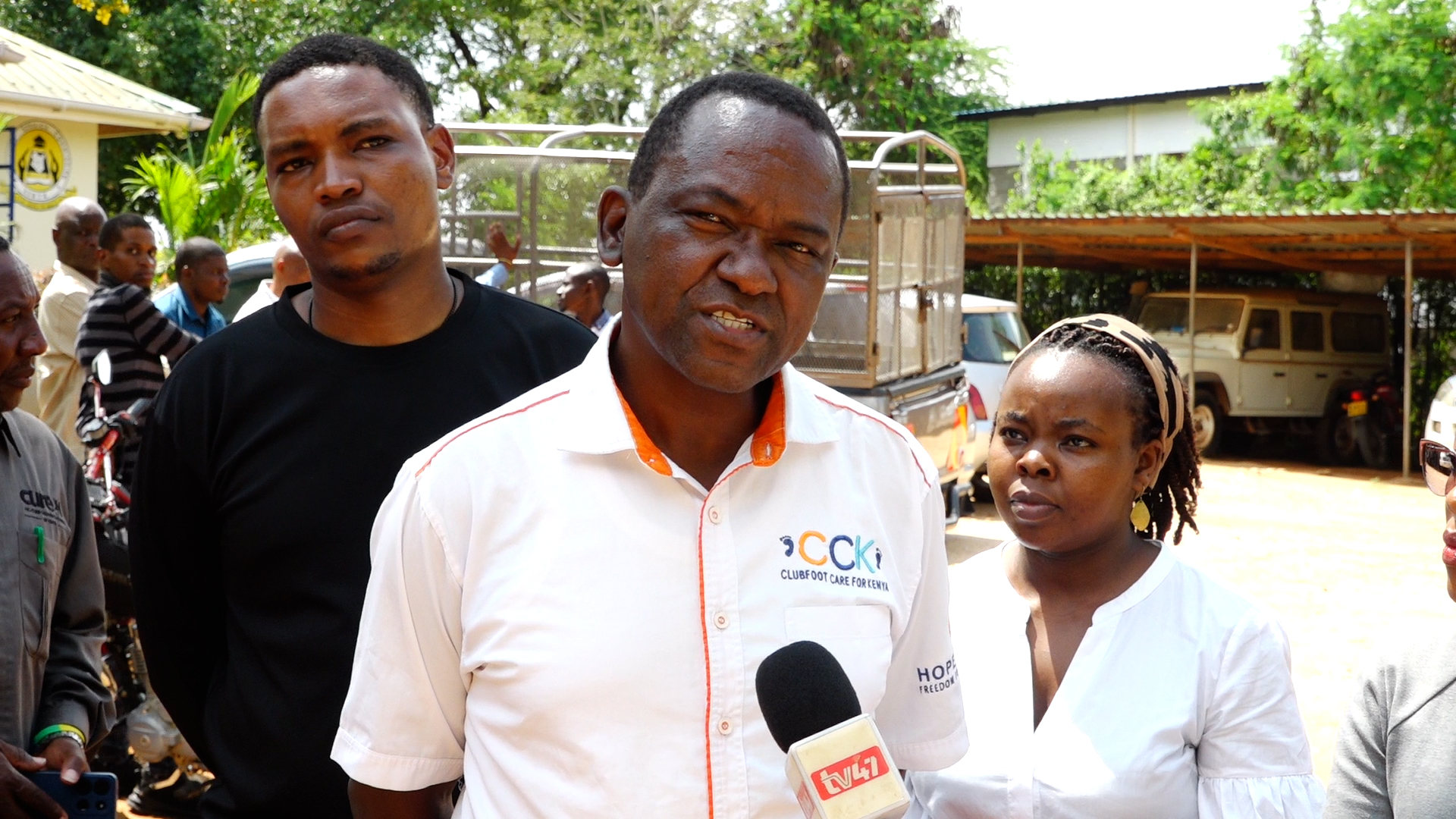
Speaking during the two-day-training for healthcare workers in Mwatate, Taita Taveta County on Monday, Erick Mwangi from Clubfoot Care for Kenya highlighted the work being done to address the treatment gap.
“As an organization, we are able to reach slightly above 1,400 children annually. That leaves nearly 600 children without the treatment they need,” he said.
The training aimed to equip nurses, rehabilitation staff and Community Health Promoters (CHPs) from the county with skills to reach out to communities, educate parents, and identify children with disabilities so that timely treatment could be provided.
Treatment for clubfoot is highly effective, particularly when started early. Isaac Mutua, an advisor at Clubfoot Care for Kenya, explained that children identified early can receive non-surgical interventions that take between four to eight weeks, with weekly follow-up sessions.
Treatment includes the use of plaster casts to gradually reposition the foot, minor surgical procedures such as tenotomy when necessary and a maintenance phase involving braces or special shoes worn until the age of five.
“Repair treatment is done very fast and with ease when children are identified early. We sponsor the plaster and the special shoes for the children and encourage all parents to bring their children for treatment,” Mutua said.
Despite the availability of free treatment at facilities like Moi County Referral Hospital in Voi, access remains a challenge for many families. Darius Kinusa, Chairperson of Disability Umbrella in Taita Taveta County, urged the county government to work with partners and donors to bring assistive devices and treatment closer to the community.
“When these facilities are far, some parents may not be able to afford to go, but when near, it is easier for them to take their children for treatment as early as possible,” he said.
Kinusa also highlighted the need for accessible public facilities, stressing that lack of accessibility continues to hinder the participation of persons with disabilities in social and economic life.
Awareness is another critical factor. Many children are not brought for treatment because parents lack information or fear stigma. Pauline Mwake, representing persons with disabilities in Sagalla, Voi Subcounty, encouraged families to bring children forward.
“For parents, let’s not hide our children who are born with these conditions. Bring them out so that they can be assessed and helped,” she said.
Advocates emphasize that public education campaigns are necessary to reach remote areas, ensuring that families know where treatment is available and understand that these conditions are treatable.
Stakeholders are urging a multi-faceted approach to address the treatment gap. County governments should collaborate with NGOs and donors to provide localized services, reduce travel barriers, and ensure that assistive devices are readily available.
Communities need continuous sensitization to combat stigma and encourage parents to seek early care. Health facilities must be adequately equipped and staffed to provide consistent treatment and follow-up.
Failure to act has consequences. Untreated clubfoot can lead to permanent disability, reduced mobility, and social exclusion. Early intervention, on the other hand, allows children to live normal, productive lives.
Advocates stress that closing the treatment gap is not just a medical issue but is a matter of social justice, equity, and inclusion.
With coordinated effort, Kenya can ensure that all children born with clubfoot or other congenital conditions receive timely treatment, preventing lifelong disability and fostering a more inclusive society. The call to action from stakeholders in Taita Taveta County highlights the urgent need for government, community, and NGO collaboration to reach every child in need.
