

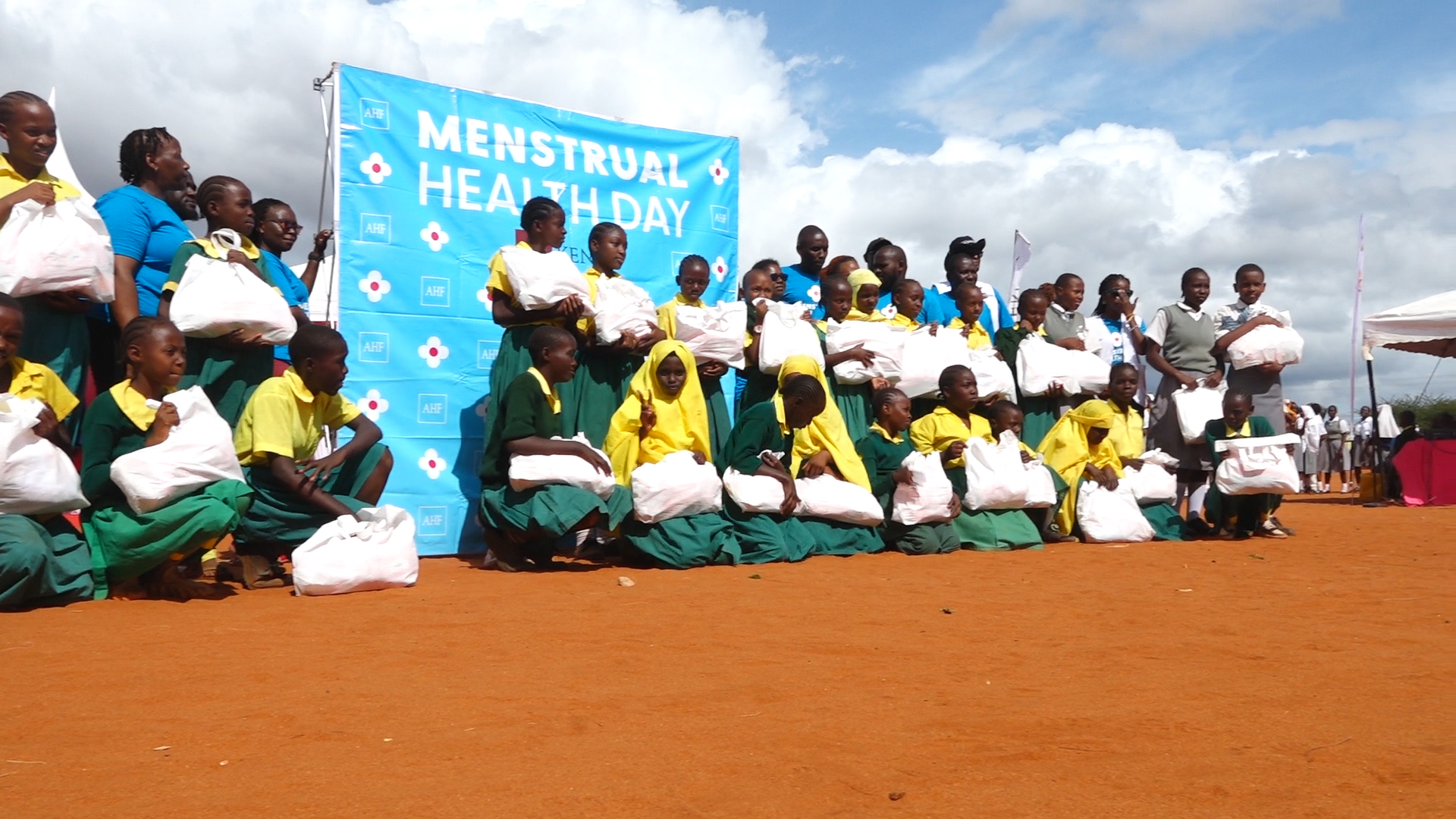

Every year on May 28, the world observes Menstrual Hygiene Day—a global initiative aimed at breaking the silence and raising awareness about the challenges women and girls face in managing their menstruation with dignity. In Taita Taveta County, this day has become a platform for community-driven action, advocacy, and education, highlighting the pressing need for accessible menstrual health solutions.
In Taita Taveta, in rural areas, many girls and women struggle with “period poverty”—a lack of access to sanitary products, clean water, and safe spaces to manage menstruation. Many have been left to rely on their families, who often cannot afford these essential items. Consequently, some girls resort to using rags or missing school altogether, which adversely affects their education and well-being.
“Many of these girls miss school because they lack essential sanitary products and they end up falling prey to people who want to take advantage of them. I urge the national and county governments to work on the budget for the sanitary products so that our girls and women can be able to access them,” said Herbert Mnjalla.
Furthermore, despite these challenges, various organizations and community groups in Taita Taveta are stepping up to address menstrual health needs. AHF Kenya, in collaboration with Taita Taveta county government and other organizations came to celebrate this day at Marasi primary school in Maungu, Voi constituency, where they donated sanitary products and educated the public on menstrual hygiene.
In addition, addressing menstrual health in Taita Taveta also involves navigating cultural sensitivities. Organizations like Wildlife Works have engaged local communities and villagers, to foster open discussions about menstruation. By creating safe spaces for dialogue and education, these initiatives aim to break the taboos surrounding menstruation and promote understanding and support within the community.
“Menstruation is a normal thing and not something to be stigmatized. I urge parents and the communities to talk with their children and educate them on the importance of menstrual hygiene and abstain from early sexual engagements to avoid getting early pregnancies and diseases like STIs and HIV/AIDS,” said Bulhan, medical expert AHF Kenya.
While significant strides have been made in addressing menstrual health in Taita Taveta, challenges remain. Continued collaboration between government agencies, non-governmental organizations, and local communities is essential to ensure that every girl and woman has the resources and support needed to manage menstruation with dignity. As Menstrual Hygiene Day is commemorated, it serves as a reminder that menstrual health is not just a women’s issue—it is a human rights issue that requires collective action and commitment.
By fostering an environment where menstruation is openly discussed and adequately supported, Taita Taveta can serve as a model for other regions striving to eliminate period poverty and promote gender equality.
