

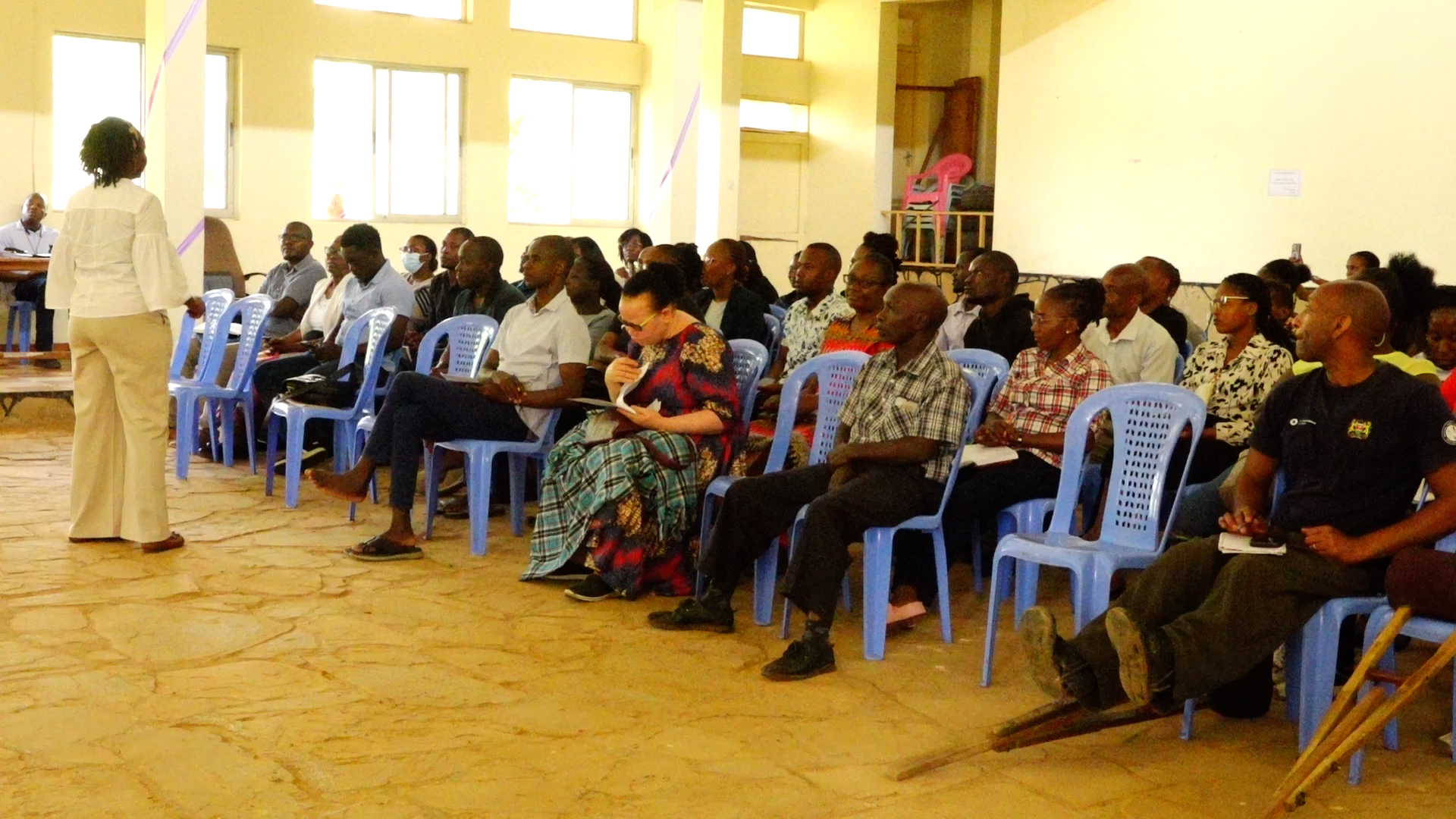

Healthcare workers in Taita Taveta County have undergone training aimed at strengthening early identification and treatment of children born with clubfoot and other disabilities, as partners seek to ensure that more affected children receive care before the condition becomes severe.
The training, held in Mwatate and sponsored by Clubfoot Care for Kenya (CCK), a Hope Walks partner, brought together nurses and rehabilitation staff from across the county to build their capacity in outreach and public awareness on clubfoot and other congenital disabilities. The initiative is being implemented in partnership with CURE Kenya and CBM Global Disability Inclusion.
The two-day training program is designed to equip healthcare workers with knowledge on the management of clubfoot and other disabilities in children. The first day targeted nurses and rehabilitation staff, while the second day focus on community health promoters who play a key role in community-level awareness and referrals.
Erick Mwangi from Clubfoot Care for Kenya said the training was aimed at empowering healthcare workers with the skills to educate communities about clubfoot and ensure that children born with the condition receive treatment as early as possible.
He noted that thousands of children are born with the condition every year in Kenya, but many still miss out on treatment due to lack of information or delayed diagnosis.
“According to National Statistics, children born with Clubfoot disability in a year are approximately 2000. As an organization, Clubfoot Care for Kenya is able to reach slightly above 1400 children annually,” said Mwangi.
This, he explained, means that nearly 600 children are not reached by treatment programs each year, a gap the organization hopes to reduce through stronger partnerships with county governments and healthcare workers.
Mwangi said the organization is already working closely with the Taita Taveta County Government to provide treatment services at Moi County Referral Hospital in Voi, where children diagnosed with the condition are treated.
He said the training of healthcare workers is critical because they are often the first point of contact for parents seeking medical care for their children.
“We are training them so that they can reach out to citizens and inform them on how the treatment is done so that they can bring their children who are affected for treatment,” he said.
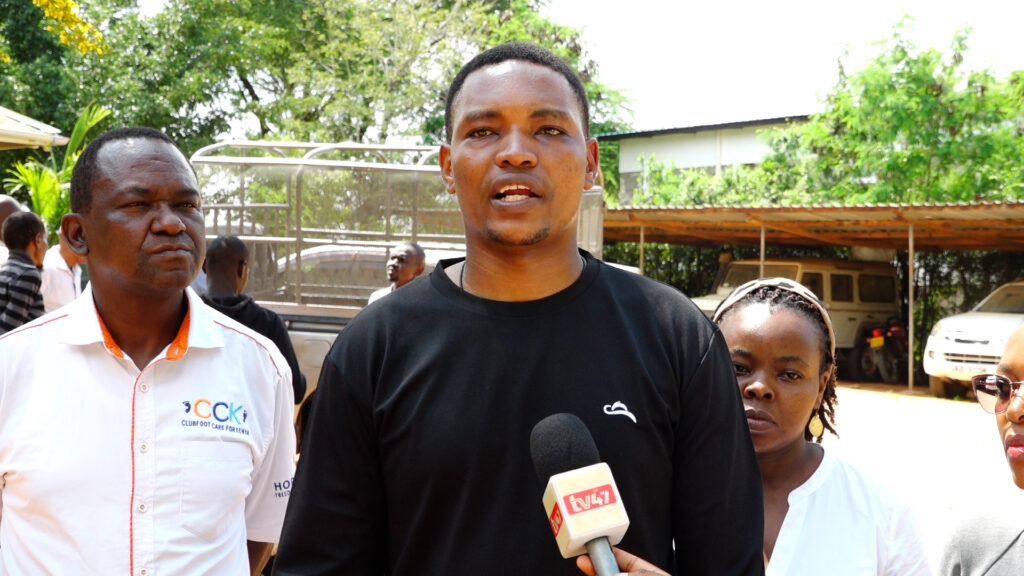
Mwangi also emphasized that early detection of disabilities in children is key to successful treatment outcomes.
“It is very important for the children born with disabilities to be identified early so that doctors can assess them and give referrals in time so that corrective treatment can start as early as possible especially on clubfoot,” he said.
Isaac Mutua, an advisor with Clubfoot Care for Kenya, said the organization also works with volunteer advisors at clinics who help support parents whose children are undergoing treatment.
He explained that when a child is born with clubfoot, parents often experience fear and uncertainty, making counseling and encouragement an important part of the treatment journey.
“When a child is born with such a condition, it is important to note that they can be treated and the condition reversed,” said Mutua.
Mutua said treatment services in Taita Taveta are offered at Moi County Referral Hospital in Voi, where children receive weekly treatment sessions.
“We sponsor the plaster and the special shoes for the children and we encourage all parents whose children have this condition to bring their children for treatment,” he said.
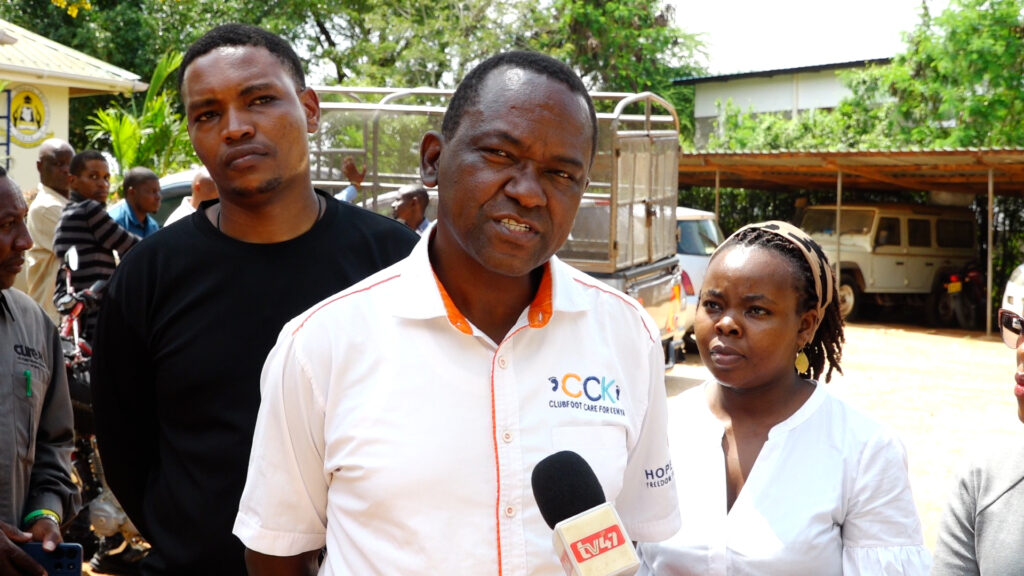
According to him, when the condition is detected early, corrective treatment can take between four and eight weeks with children visiting the clinic once every week. However, he warned that delays in seeking treatment may lead to more complicated interventions.
If treatment begins late, especially after the age of five years, the child may require surgery in order to correct the condition.
Mutua praised the Taita Taveta County Government for supporting the treatment initiative, noting that clinics for children with clubfoot are conducted every Tuesday at Moi County Referral Hospital in Voi.
He also urged parents not to hide children born with the condition, assuring them that treatment is available free of charge.
At the Moi County Referral Hospital clinic in Voi, treatment follows a structured three-stage process, according to clinic coordinator Tharis Kambe.
She explained that the first stage involves casting, where the affected leg is wrapped in plaster to gradually correct its position. The process requires about four to six plaster casts applied weekly over a period of four to six weeks.
The second stage involves a minor procedure known as Tenotomy, where a small operation is performed on the tendons to release them and allow proper movement of the foot. Kambe said the procedure also helps prevent the condition from recurring once it has been corrected.
The final stage is the maintenance phase, where the child wears special braces or shoes to keep the foot in the correct position.
During the first three months, the braces are worn day and night, after which the child continues wearing them only at night until the age of five years.
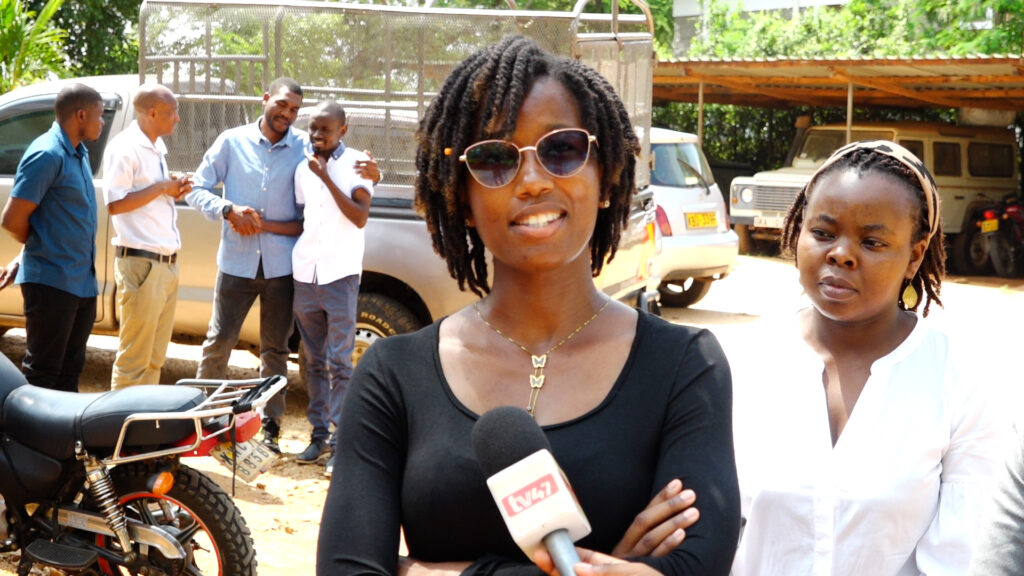
Fiona Masai from CURE Children’s Hospital in Kijabe said their institution focuses on providing care to children with disabling or potentially disabling conditions.
She noted that the hospital works in partnership with organizations such as Clubfoot Care for Kenya and the Association for the Physically Disabled of Kenya to address conditions including clubfoot, spinal problems and knocked knees.
Masai said the hospital also conducts mobile clinics across the country to reach children who may not easily access specialized healthcare facilities.
“We work through partnerships and in terms of the help that we need is to make sure that we are mobilizing as many of these children as possible so that they can get the care that they need as early as possible because some of these conditions can actually be corrected,” she said.
She urged parents to ensure that they follow up on routine clinic visits for their children, explaining that doctors are able to identify developmental challenges during these visits.
“The most important thing is making sure that as a parent, you follow up on the clinics that doctors prescribe for your newborns because that is the point at which when assessment is being done, some of these things can be picked up because doctors do a very thorough examination of the child and their developmental milestones,” said Masai.
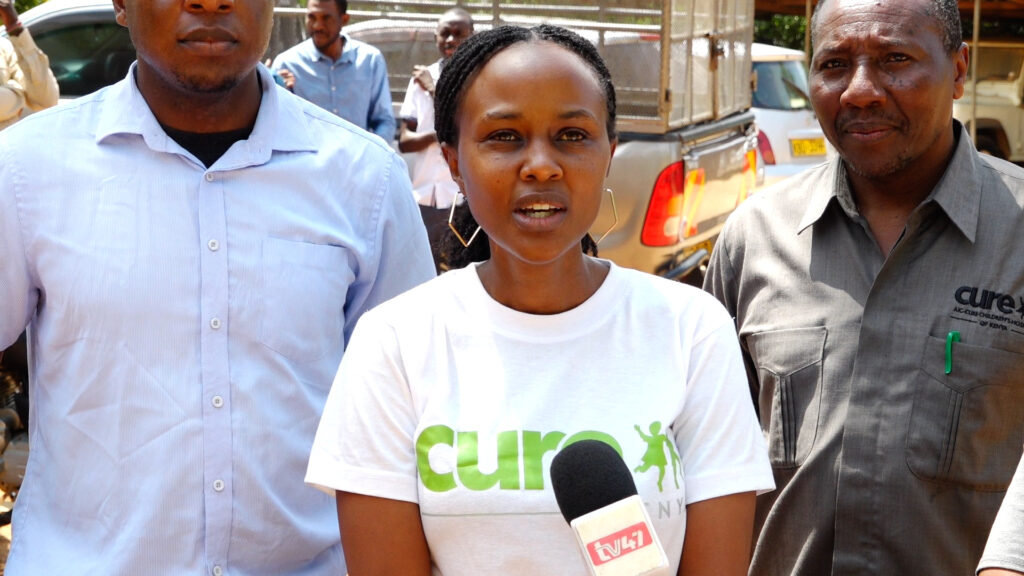
Local disability advocates also used the forum to urge communities to support children living with disabilities rather than hiding them due to stigma.
Pauline Mwake, a representative of persons with disabilities from Sagalla in Voi Sub County and the county coordinator for albinism, said many children with disabilities still lack access to treatment due to lack of information or support.
“For parents, let’s not hide our children who are born with these conditions because no one makes an application to give birth to disabled children. Bring them out so that they can be assessed and helped,” said Mwake.
She said giving children the opportunity to interact with others also helps them feel accepted and reduces stigma within communities.
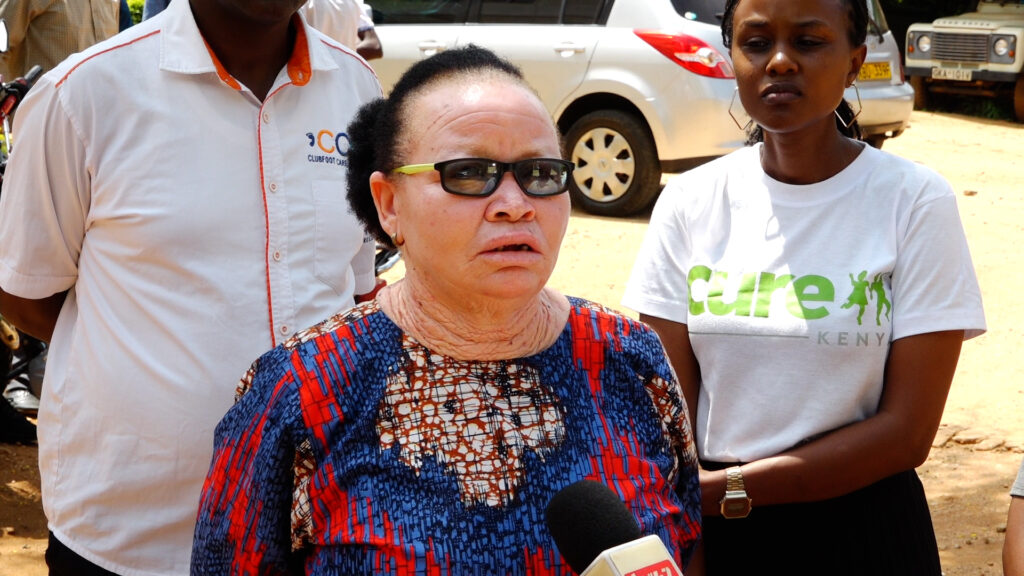
Darius Kinusa, Chairperson of the Disability Umbrella in Taita Taveta County and himself a beneficiary of treatment supported by Clubfoot Care for Kenya, said lack of information remains one of the biggest barriers preventing many children from receiving care.
He said he had undergone four operations related to his condition but still considers himself fortunate to have accessed treatment.
Kinusa urged the county government to strengthen partnerships with development partners so that assistive devices can be made available locally.
“We urge our county government to partner with doners who come as they have come now to ensure that PWDs don’t travel to Kijabe or Mombasa in search of assistive devices. Let them work together so that these facilities can be brought close to us,” said Kinusa.
He also called for the construction of public facilities that are accessible to persons living with disabilities.
“Our county government should listen to our plights and issues hindering persons with disabilities in the county,” he said adding that, “The issue of accessibility is still a challenge to most of the facilities making it very hard for people living with disability. If it’s about addressing these issues, lets address them once and for all ensuring that those living with disabilities are also considered.”
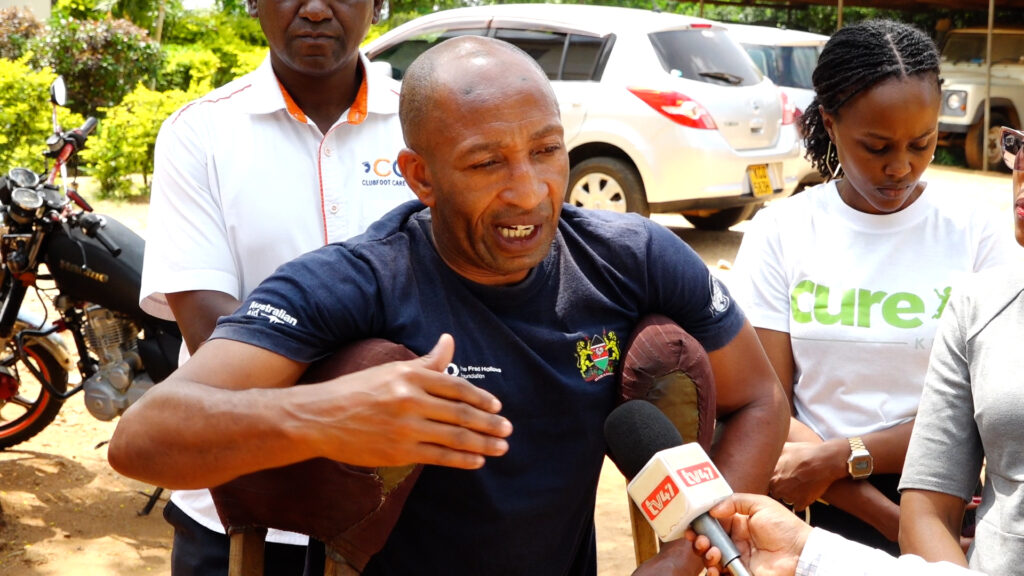
Through the training and community outreach efforts, the partners hope that more children born with clubfoot and other disabilities will be identified early and linked to treatment programs, giving them a better chance at living healthy and independent lives.
