


Climate change has significantly impacted the wildlife sector by altering habitats, disrupting ecosystems, and threatening species survival. Rising temperatures and shifting weather patterns have led to the loss of critical habitats, forcing species to migrate, adapt or face extinction.
Additionally, increased frequency of extreme weather events has disrupted food and water availability, leading to population decline in various species. These environmental shifts also escalate human-wildlife conflicts as animals move closer to human settlements in search of resources, further stressing already vulnerable populations.
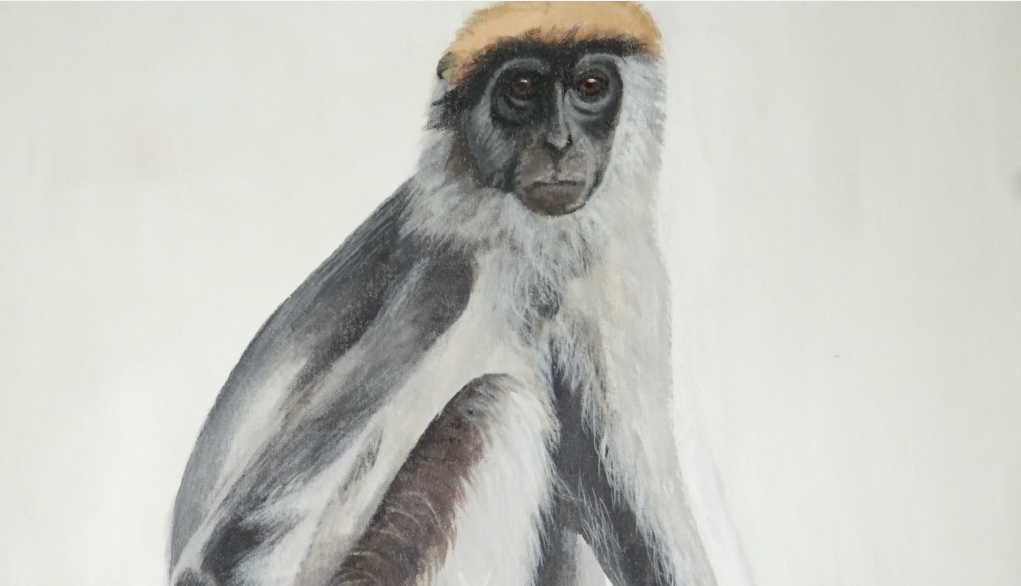
In Tana River County, the Red Colobus and Mangabey have been listed as critically endangered due to the constant threat of habitat loss from human activity.
According to a research that was done by the Kenya Institute of Primate Research between 2021-2023, the Mangabeys registered a decline of 350 whereas the Red Colobus registered an incline of 1,219. This was compared to a research that was done between 2000-2001.
Dr. Stanislaus Kivai of Kenya Institute of Primate Research explains how enhanced conservation through community conservancies has been pivotal in preserving extremely endangered species in the Tana River region.
“These conservancies empower local communities to take an active role in protecting their environment and the wildlife that inhabitants it, and as a result we’ve seen a remarkable reduction in threats to primates,” Dr. Kivai stated.
Dr. Kivai also explains his fear as primates in areas where community conservancies have not been implemented, continue to face severe risks, including being hunted for bushmeat.
“In areas where there is no protection, the numbers have sharply declined. There is massive destruction of habitats, and we’ve seen people killing these animals for bushmeat consumption,” he said.
A local researcher from the Tana River region, Said Hirubai, has emphasized the importance of preserving the forested habitats that are home to the endangered Tana River Mangabeys and Red Colobus monkeys.
“These species rely on the forest for food, shelter, and a safe place to live. When the trees are cut down, it not only destroys their habitat but also fragments the forest, making it harder for them to find what they need to survive,” Hirubai said.
In addition, Hirubai has urged the local community to take a proactive role in conservation by planting more trees.
“Every tree we plant is a step towards securing the future of these species,” He added.
Milka Musyoki, project manager at Tana Delta has urged the locals to join hands with all stakeholders, to work on restoration.
