


What once seemed like a distant goal for many stakeholders has now become a reality. Base Titanium, which started mining in Maumba and Nguluku, is fulfilling its commitment to restore mined land to its original state.
The company has developed a detailed plan to rehabilitate all mined areas to an acceptable standard.
So far, Base has rehabilitated over 500 acres in the South Dune and about 250 acres each in the Central and North Dunes, with an overall target of over 2,500 acres.
The Australian mining company began operations in 2013, taking over from Tiomin Resources, and has focused on extracting heavy minerals like Zircon, Rutile, and Ilmenite.
Located deep in Kwale County, Base Titanium’s operations brought significant development to the area, benefiting local residents in various ways.
Now, after 10 years, the company is preparing to shut down its operations in Kwale, as its resources have been depleted.
During a recent media site visit, Base confirmed that heavy mineral deposits have been exhausted, and the company is entering the final phases of mining, with a planned closure by December 2024.
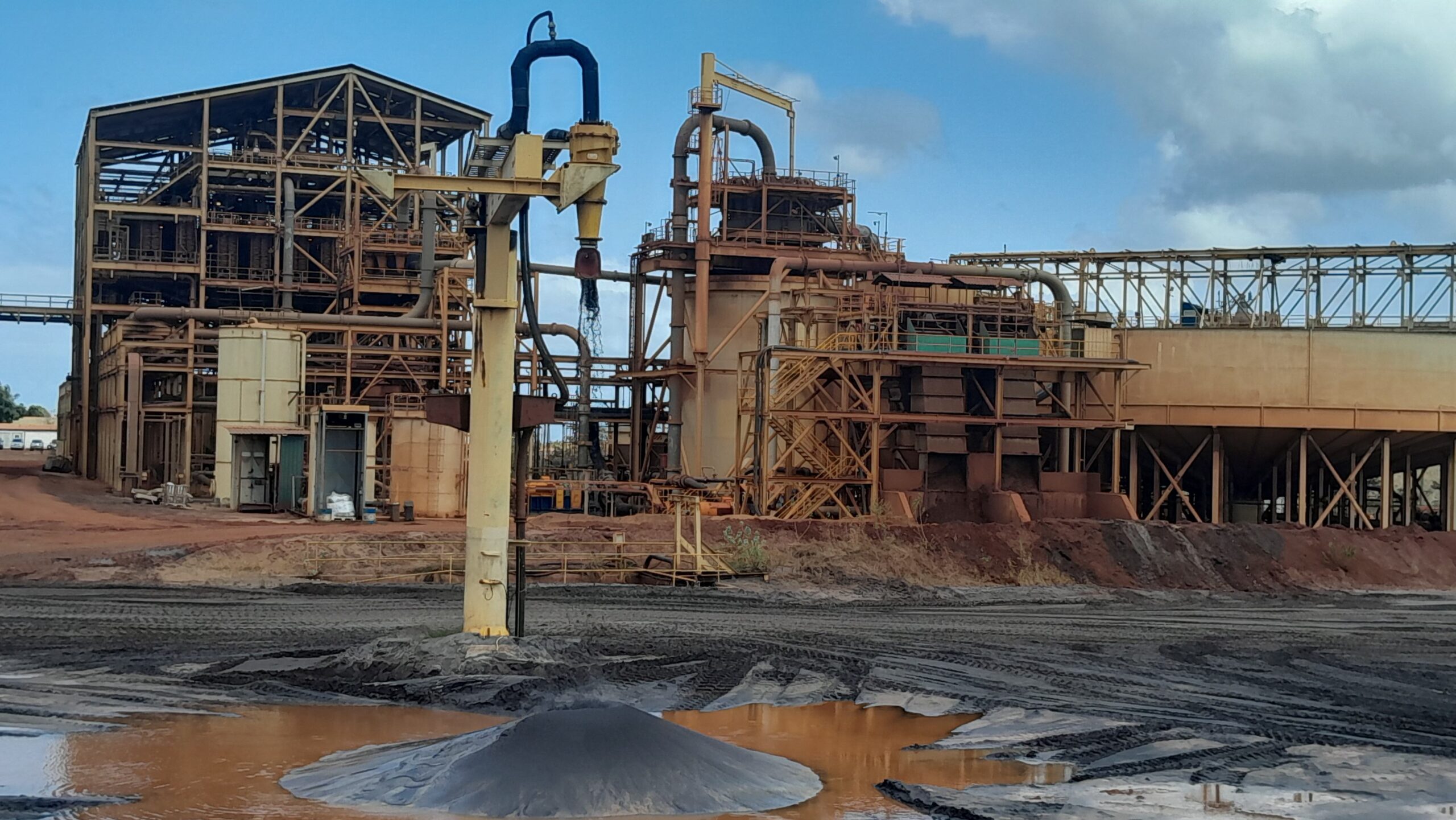
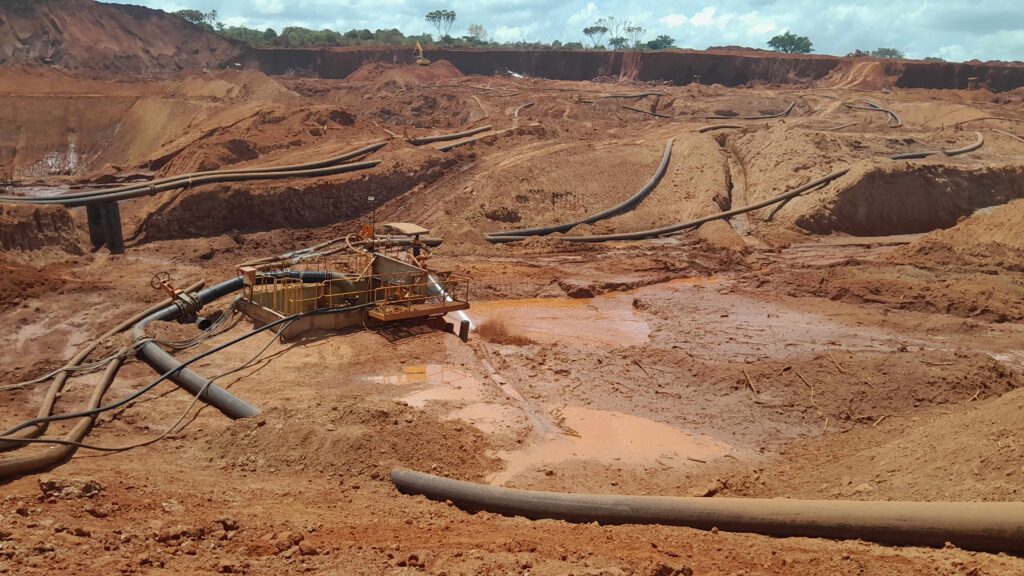
Zircon, Rutile, and Ilmenite were extracted using a hydraulic mining method that relies on high-pressure water, followed by separation based on the minerals’ natural properties.
“We don’t use added chemicals during our mining process, unlike other mining companies,” said Clapperton Ngome, Compliance and Administration Superintendent at Base Titanium.
Ngome explained that the absence of added chemicals during extraction is key to restoring the land to its original or even better condition.
The minerals are separated from the ground using high-pressure water. The slurry is then transferred to a wet plant where sand and slime are separated, followed by the transfer of the heavy mineral concentrate to a mineral separation plant. The minerals are separated based on their natural properties where, Zircon is separated through gravity, Ilmenite through magnetism, and Rutile through electrostatic means.
Base Titanium operates on land leased from the government. After a decade, this land will be returned to the government for future use, with the company ensuring it is in a safe state.
General Manager Simon Wall noted that the rehabilitation process will continue for several years even after mining operations cease in June 2025.
“The rehabilitation process will take us about one year after we complete mining in December,” said Wall.
Before mining, Base removes 300 mm of topsoil and stores it for later use in rehabilitation, where manure is added to help restore the land.
The three dunes are rehabilitated differently due to variations in the terrain.
Mr. Ngome added that they have begun de-risking wetlands by planting eucalyptus trees, with plans to plant 35,000. These wetlands take approximately 15 years to dry completely.
“Food bio-safety is one of our criteria for declaring the land safe for agriculture,” said Nick Okello, Environmental Management Systems and Rehabilitation Manager.
Base Titanium has partnered with Pwani University to research and assess the quality of food grown during the rehabilitation phase to ensure it is safe for human consumption.
Mangoes, cassava, and cotton are some of the crops being trialed during rehabilitation to gauge soil fertility post-mining.
The company once harvested a cassava weighing 6.2 kg and measuring 1.8 meters in height, nearly matching the Guinness World Record height of 2.4 meters.
Nick also indicated that the Central Dune is suitable for agribusiness, while the South Dune is being rehabilitated as a forest area, designed to link the Gongoni and Buda forests.
Some former mining units have been fully transformed into wetlands, and Okello suggested the possibility of developing a sanctuary for future investors.
With various stakeholders onboard, including NEMA, the Kenya Forest Service, and the local community, Base Titanium has a 5–10-year plan to monitor the land for the purpose of ensuring soil health and restoration.
