


In Kenya, voting patterns during presidential elections often align strongly with ethnic affiliations, political parties, and regional loyalties. Many voters choose candidates who share their ethnic background or represent parties that are historically significant within their communities.
This pattern has deep roots, stemming from Kenya’s colonial history and post-independence political landscape, where ethnic identity became intertwined with political representation and resource distribution.
As a result, many Kenyans view elections as a way to secure their community’s interests, leading to a divisive “us versus them” mindset, a trend that has always made Kenyans to suffer in the hands of inconsiderate leaders.
Recently, Gen Zs in Kenya took to the streets countrywide demanding an end to the punitive finance bill 2024, a move that forced the government to reconsider its tax proposals. The rise of Gen in Kenya highlighted a generational shift that is challenging the traditional structures while bringing fresh perspectives to national conversations.
Interestingly, the Gen Zs went against the traditional tribal lines, and the political party’s affiliation, speaking in one voice as Kenyans with the slogan, “We are Fearless, Leaderless, Tribeless and Partyless.”
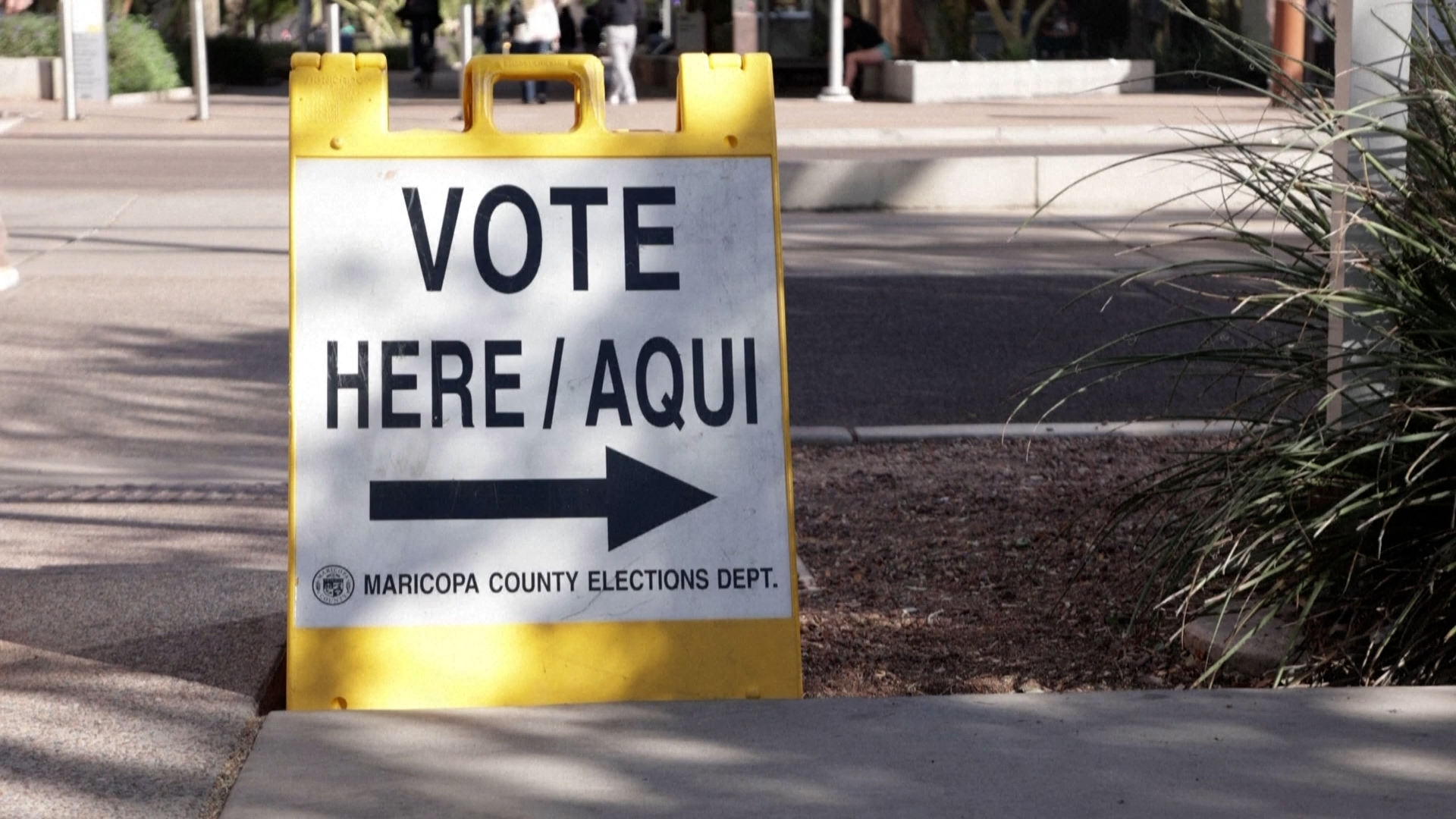
Almost a similar wave is being felt in different parts of the world as a unique shift is being observed in places like Arizona in the United States, where first-time voters are increasingly prioritizing the issues that matter to their future rather than strictly aligning with party affiliations.
On Friday (November 1) several groups of election canvassers at the Arizona State University campus were trying to talk to young people about the importance of voting, but many would walk past without stopping, despite bags of crisps, sweets and election stickers on offer for those engaging.
“A lot of people just want to be left alone,” Sawyer Routt who works for a non-partisan canvassing group said.
As both Democratic and Republican presidential candidates are trying to get the votes of young adults, some feel they have been bombarded by election advertisements and divisive rhetoric, and don’t trust the traditional media.
“As young people, we actually just want to see what the ideas are”, law student Brandon Kinseloa said who is 24 but will vote for the first time on November 4 after moving to the United States from Guam and getting the right to vote.
Kinseloa was planning to vote for Donald Trump saying that the economy was the defining issue for him and the Republican economic policy was “very sound”.
Another young Phoenix resident, 22-year-old Thessalonian Hardemann, has already cast his vote for Donald Trump during the early voting process and said he was hoping for lower gas and rent prices. Hardemann said his father’s business was doing much better seven years ago under then-president Trump and his family was on track to buying property, but are currently not able to buy a home.
Despite economic concerns, 24-year-old Ashley Hernandez said her vote will be determined by candidates’ stance on the issue of abortion.
“You know, it’s a free country, so they should follow that as well when it comes to people making decisions,” Hernandez, who also voted early, told Reuters.
On Thursday Trump campaigned in Phoenix during his third visit to the state in October, where he had previously campaigned at Arizona State University.
Kamala Harris was also in Arizona on Thursday trying to reach undecided voters and encourage people to head to the polls. It was her second trip to the state last month.
Arizona is one of the seven battleground states in a tight race, according to polls, between Harris and Trump for next Tuesday’s U.S. elections. The state specifically could be one of the more contentious states for the youth vote.
