


Youth unemployment remains one of the most significant socio-economic challenges facing Kenya and the wider African continent. In Kenya alone, more than one million young people graduate from universities, colleges, and technical institutions each year, yet the economy absorbs an estimated 200,000 new workers annually.
This mismatch between labour supply and job creation has contributed to rising unemployment, underemployment, and economic insecurity among young people.
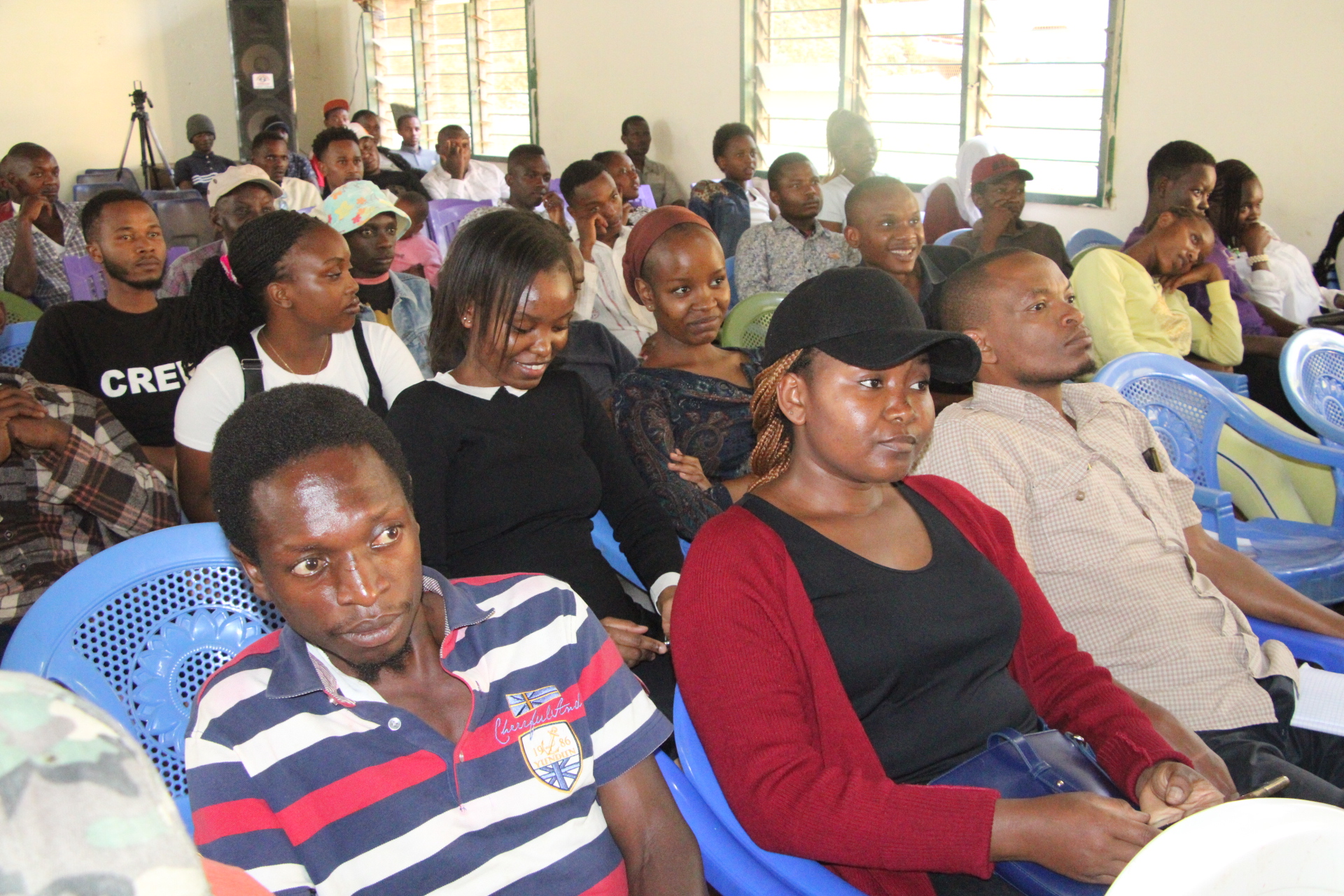
The issue was highlighted during the 2025 Taita Taveta Youth Summit held in Wundanyi, Taita Taveta County, where the Permanent Secretary for Labor and Skills Development, Shadrack Mwadime, called for strategic and coordinated interventions to address youth unemployment.
Speaking at the forum, Mwadime warned that without deliberate planning and policy action, a significant proportion of young people risk prolonged exclusion from meaningful economic participation.
According to the Ministry of Labor and Skills Development, Kenya produces approximately one million graduates each year, while employment opportunities in both the public and private sectors remain limited. Mwadime noted that this imbalance has been worsened by limited access to labor market information, inadequate career planning, and skills mismatches among young people.
He emphasized the importance of aligning education and training systems with market needs in order to improve employment outcomes.
“Kenya produces one million graduates every year, yet our economy can only absorb 200,000 in the private and public sectors combined,” Mwadime said, warning that without a well-thought-out plan, an entire generation risks being left behind.
Kenya’s youth unemployment challenge reflects broader trends across Africa. The continent has the youngest population globally, with a rapidly growing working-age demographic. Data from the Africa Youth Employment Clock indicate that more than 120 million young Africans aged between 15 and 35 are unemployed or not in education, employment, or training.
While official youth unemployment rates in Sub-Saharan Africa remain below those of some other regions, these figures often mask high levels of informal employment, underemployment, and job precarity.
In Kenya, an estimated 60% of young people are classified as employed, but the majority work in the informal sector.
Informal employment is characterized by limited income security, lack of social protection, and reduced opportunities for skills advancement. Young women are disproportionately affected, with higher rates of exclusion from formal employment and training opportunities compared to their male counterparts.
During the Wundanyi summit, Mwadime highlighted the importance of engaging young people at the grassroots level to better understand their challenges and aspirations.
He stated that government interventions must be informed by local realities and supported by access to accurate information on available opportunities. He further urged young people to explore diverse livelihood options, including entrepreneurship and skills-based self-employment.
In addition to domestic employment strategies, the Kenyan government has increasingly promoted labor migration as part of its response to youth unemployment. According to the Ministry of Labor, Kenya has expanded bilateral labor agreements with several countries to facilitate overseas employment for skilled and semi-skilled workers. These opportunities are intended to provide young people with income, skills acquisition, and international exposure.
Diaspora remittances have become a significant contributor to Kenya’s economy. In 2024, Kenyans living abroad remitted approximately Sh663 billion, making remittances one of the country’s leading sources of foreign exchange.
Government officials have emphasized the need to channel these funds into productive investments. Mwadime stated that the government, working with the Kenya Investment Authority and the Ministry of Trade, is developing investment frameworks aimed at supporting returning diaspora workers, particularly youth.
“As it is now, we have agreed with the Kenya Investment Authority and the Ministry of Trade that we will come up with an investment package for you so that when you come back home, your return on investment should be as high as possible,” said the PS.

He cited investments by Kenyan athletes in sectors such as real estate, hospitality, and agribusiness in Eldoret City as an example of how diaspora earnings can contribute to local economic development and job creation. These investments have supported infrastructure growth and expanded employment opportunities within local communities.
The summit also addressed social factors affecting youth employability, including substance abuse. Mwadime noted that drug use has emerged as a barrier for young people seeking employment, particularly in foreign labor markets where medical screening is mandatory. He urged young people to adopt healthy lifestyles to improve their chances of accessing employment opportunities.
Taita Taveta County Governor Andrew Mwadime supported these views, encouraging young people to make informed lifestyle choices and focus on long-term personal development. He advised youth to abstain from drug use and to assess the impact of such decisions on their economic progress.
The governor also highlighted the role of digital platforms, urging young people to use social media responsibly for learning, networking, and entrepreneurship.
Deputy Governor Christine Kilalo reiterated the county government’s commitment to addressing youth-related challenges, including unemployment and substance abuse. She noted that the county administration continues to prioritize skills development, mentorship programs, and partnerships aimed at expanding opportunities for young people.
Kilalo encouraged youth to pursue training in emerging sectors and to adopt strategic approaches to career development.
Voi Sub-County Deputy County Commissioner Daniel Nduti commended the information shared at the summit, describing it as relevant to the realities facing young people. He emphasized the need for discipline, patience, and adaptability, noting that formal white-collar employment opportunities are limited. Nduti urged youth to explore locally available economic activities and to contribute to community development.
Kenya’s experience is comparable to that of other African countries grappling with youth unemployment. In South Africa, youth unemployment exceeds 45%, one of the highest rates on the continent. The South African government, in collaboration with civil society and the private sector, has implemented programs aimed at improving school-to-work transitions, including internships, apprenticeships, and job-matching initiatives.
Organizations such as the Harambee Youth Employment Accelerator have facilitated employment opportunities for large numbers of young people through partnerships with employers.

In North Africa, Morocco which graduates about 90,000 per year, youth unemployment is very high at about 35-38%. Morocco has adopted alternative employment strategies focused on digital skills, creative industries, and technology-driven sectors. Faced with high graduate unemployment, the country has invested in training programs linked to the gaming, digital design, and information technology industries as a means of diversifying employment opportunities for young people.
In East Africa, Uganda has implemented youth entrepreneurship programs supported by government and development partners. These initiatives provide access to microfinance, business training, and mentorship for young entrepreneurs.
Uganda produces around 700,000 graduates entering the labor market each year from universities and other tertiary institutions, against about 80,000 to 150,000 formal jobs available. This translates to a percentage of graduates in the formal employment of about 13%.
At the continental level, about 10 to 12 million young Africans complete tertiary education annually but only 2.6 to 3 million formal jobs are created annually. The working-age population growth per year in Africa is about 18 million.
The African Development Bank estimates that Africa must create at least 20 million new jobs annually through 2030 to accommodate its growing labor force, highlighting the scale of the youth employment challenge.
Emerging sectors such as technology, agribusiness, renewable energy, and digital innovation are increasingly viewed as potential sources of employment for African youth. In Kenya, programs supported by government agencies and international partners have focused on equipping young people with technical and entrepreneurial skills aligned with market demand.
Initiatives such as the Kenya Youth Employment and Opportunities Project and subsequent youth employment programs have reported improvements in employability and income among participants.
Despite these efforts, structural challenges persist. Informal employment remains widespread, access to finance for young entrepreneurs is limited, and skills mismatches continue to affect labor market outcomes. Analysts have noted that sustained progress will require coordinated policies, long-term investment in education and training, and stronger collaboration between governments, the private sector, and civil society.
Youth unemployment in Kenya and across Africa remains a central development issue with far-reaching social and economic implications. The discussions at the Taita Taveta Youth Summit reflect broader efforts to identify practical and inclusive solutions. As African countries seek to harness their demographic potential, the effectiveness of youth employment strategies will play a critical role in shaping future economic growth, social stability, and development outcomes.
