


STORY BY
NESTER MWAMBINGU
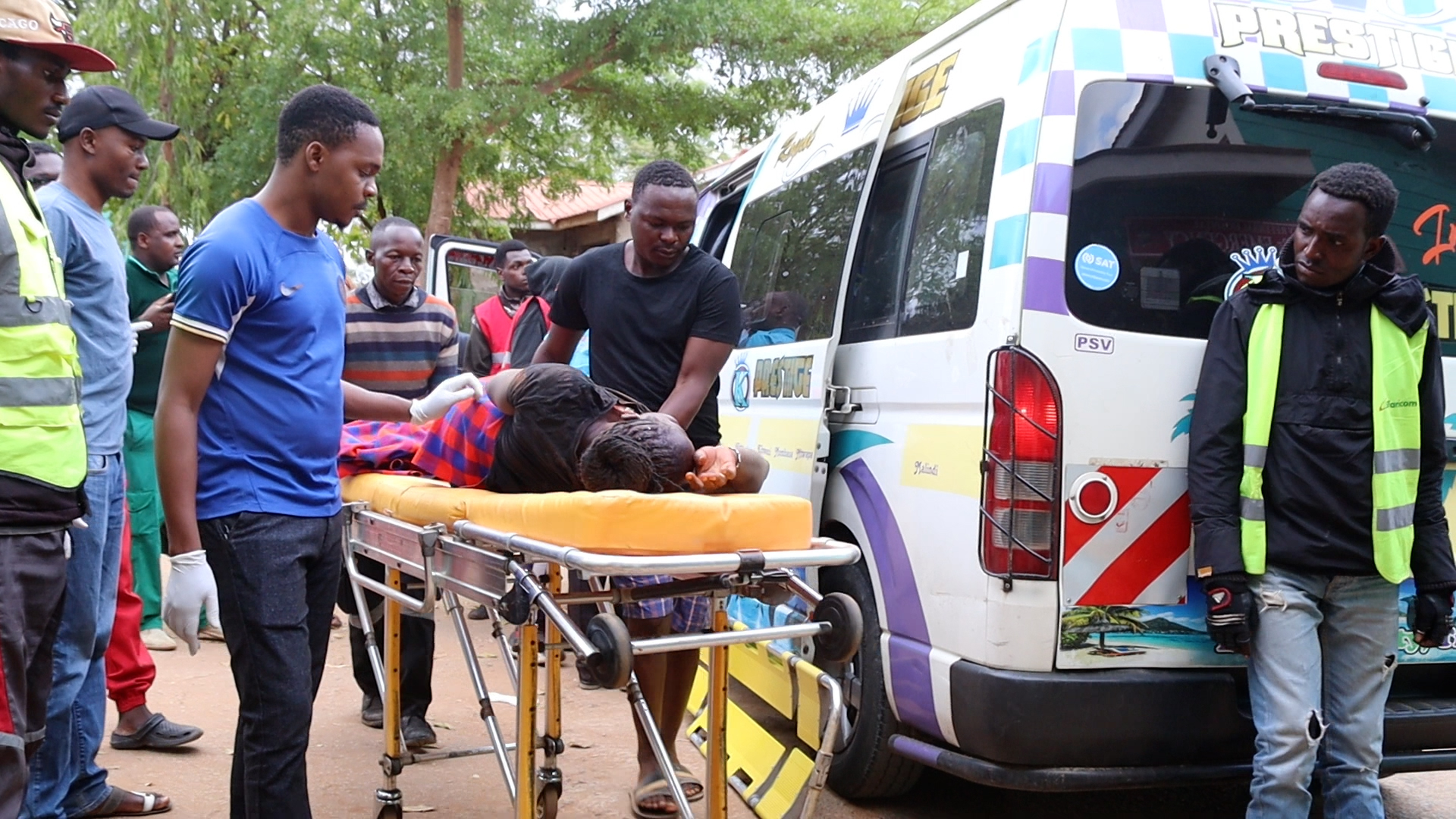
According to a report by the National Transport and Safety Authority (NTSA), road accident fatalities in Kenya increased by 3.4 per cent in 2025, with 4,458 people killed across the country compared to 4,311 deaths in 2024. The report further indicates that pedestrians and motorcyclists accounted for the highest number of deaths.
Sadly, the trend continued into early 2026, with 287 deaths recorded in the first 20 days of the year nationwide.
Despite several measures put in place by the government and stakeholders in the transport sector to reduce road fatalities, the numbers remain alarming. NTSA data shows that between 2020 and 2023, a total of 16,685 people lost their lives in road accidents across the country.
In Taita Taveta County, road accident fatalities remain a major concern, particularly along the Mombasa–Nairobi Highway. Recent incidents include a head-on collision involving a matatu and a truck at Miasyeni, which resulted in seven deaths—four men and three women—and several injuries.
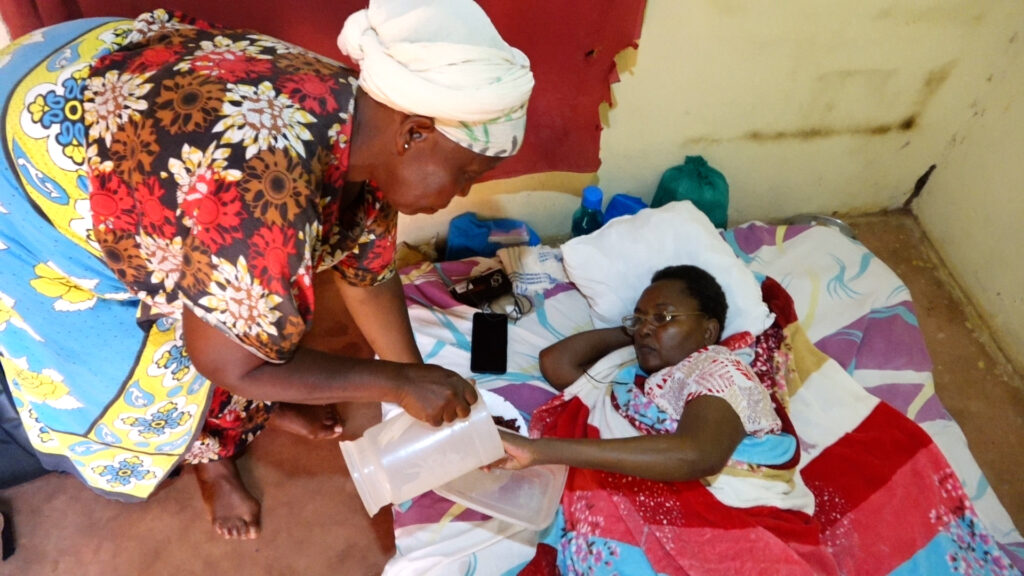
Another accident occurred when a Taita Taveta University bus overturned at Josa on the Mwatate–Wundanyi Road, killing one person and injuring several others.
In 2024, another fatal crash was reported along the Mombasa–Nairobi Highway at Maungu village, involving a Kenyatta University (KU) bus carrying students, where 11 people died and 42 others sustained serious injuries.
Similarly, in 2023, a fatal road accident occurred at the Josa black spot along the Wundanyi–Mwatate Road, involving a public service vehicle (PSV) bus, in which 10 people lost their lives while several others were injured.
The NTSA report further indicates that 62 people died in Taita Taveta County during the 2025 health workers’ strike, a period when access to emergency and medical services was severely affected.
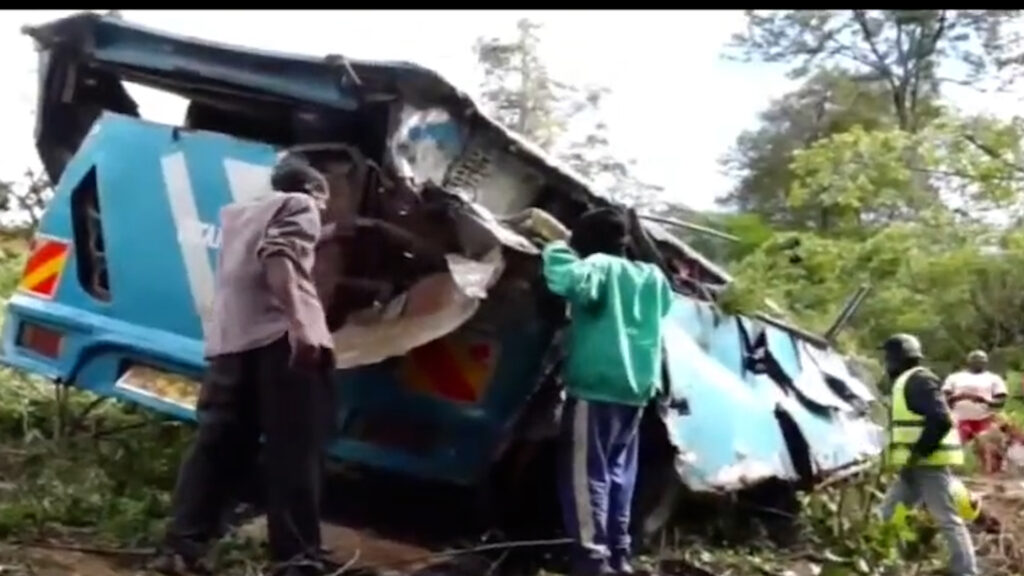
As road accidents continue to claim lives and leave thousands nursing injuries, survivors like Janet Mawondo, a 48-year-old woman from Lamini village in Mwatate Constituency, continue to suffer silently.
Upon arriving at Lamini village in Mwatate, we were welcomed by Janet’s sister, who was tending to her as she lay on a mattress inside the house. Janet narrated how her life changed forever following the accident.
“It was on a Saturday when we boarded a bus from Mombasa to Mghambonyi for our friend’s burial. After the service, while returning to Mombasa, the vehicle lost control at Josa. The driver could not manage it, causing a fatal accident. I lost consciousness and was rushed to Coast General Hospital,” said Janet.
At Coast General Hospital, Janet was found to have sustained a severe wound on her buttocks and a spinal injury. Doctors treated the wound and advised her to return home to Voi to allow it to heal before undergoing spinal surgery.
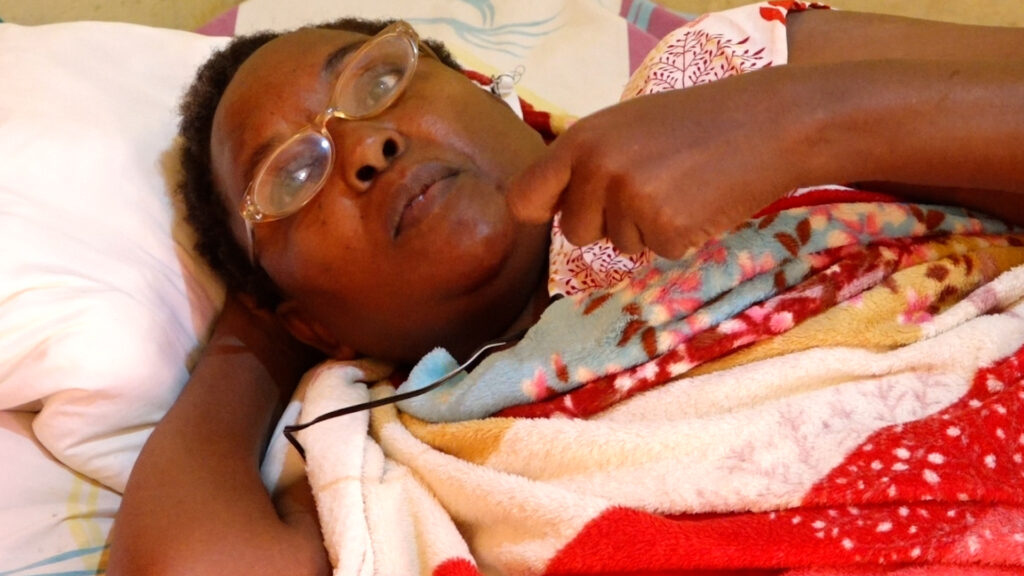
“The doctors at Coast General Hospital advised me to go home and continue nursing the wound as I waited for spinal surgery. However, when I returned two years later, they said they could not proceed with the surgery because the wound had taken too long to heal. They advised me to consider physiotherapy instead,” she added.
Janet’s condition did not improve while receiving treatment at her brother’s home in Mwatate. She has been confined to a mattress for three years since 2023, unable to walk after being partially paralysed.
“It has been very difficult for me and my family because my condition is not improving due to lack of proper medical attention. My family has exhausted all its resources, and they are slowly losing hope. I am appealing to our leaders to help me access proper therapy so that I can regain my independence,” Janet said.
Efforts by Janet, her family, and other accident survivors to seek compensation from the vehicle owner and insurance company through various lawyers have so far been unsuccessful.
“It is unfortunate that despite trying all possible ways to get compensation, nothing has worked. However, we remain hopeful that with the help of our leaders, we can access proper treatment and move on with life,” she added.
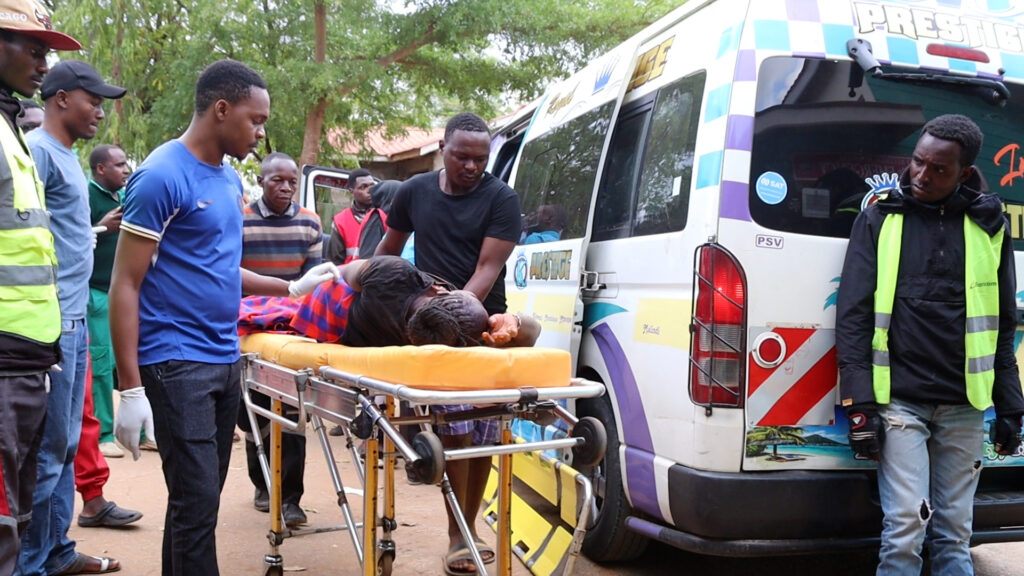
Janet, a mother of two and formerly a businesswoman, now relies entirely on her family to buy catheters, urine bags, and pay for physiotherapy sessions three times a week, which she describes as extremely expensive.
She is now appealing to well-wishers to support her so that she can regain independence. Janet’s story mirrors that of many road accident survivors in Kenya who are left nursing life-altering injuries, often without compensation or support from vehicle owners or insurance companies.
