

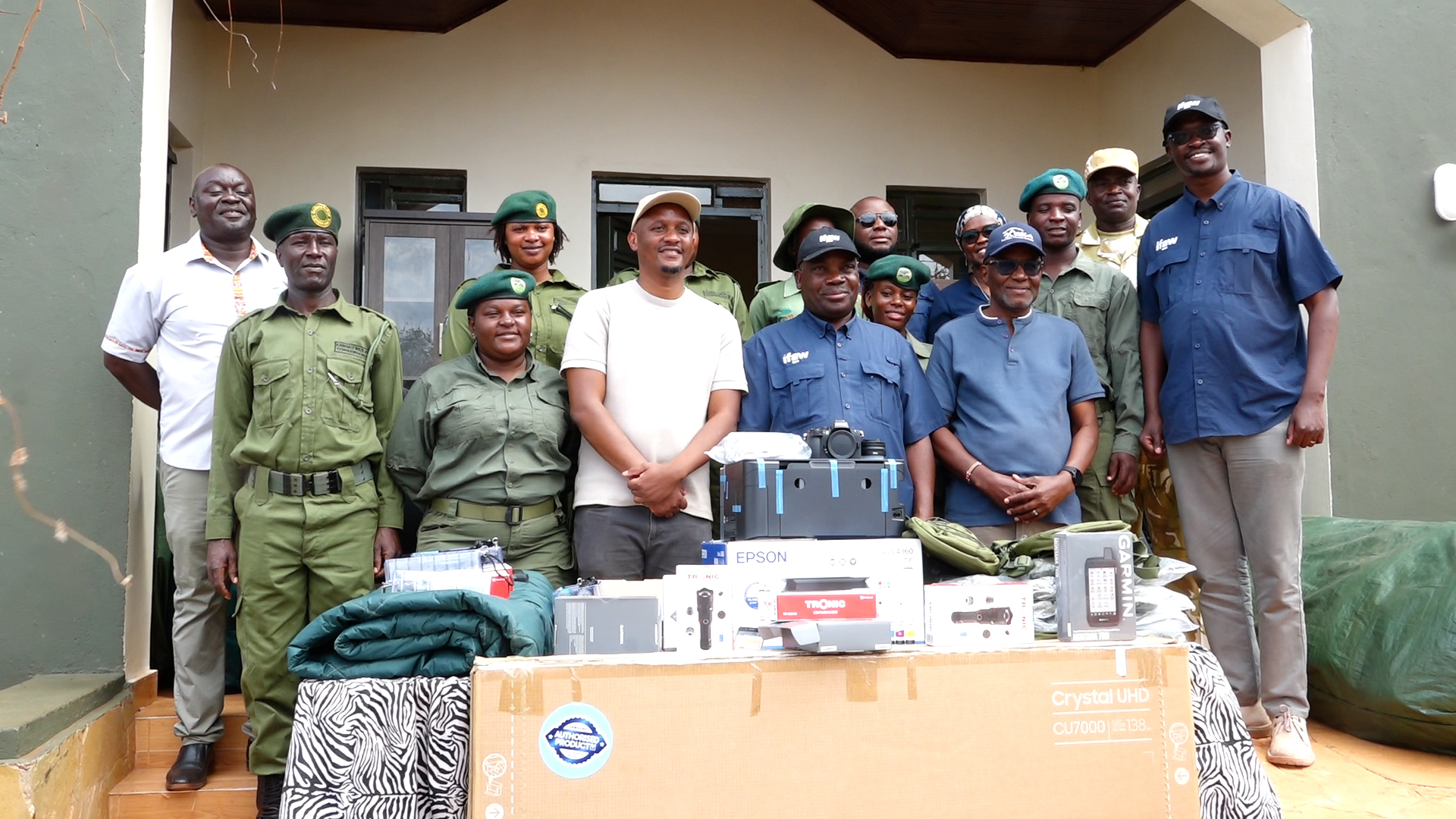

A newly established Joint Operations Command Centre at the Kasigau Wildlife Conservancy is set to strengthen wildlife protection, improve ranger coordination, and enhance responses to wildlife crime and human-wildlife conflict across the greater Tsavo conservation landscape.
The facility, located within the Kasigau Rangers Hub, was officially handed over by the International Fund for Animal Welfare (IFAW) to the Taita Taveta Wildlife Conservancy Association (TTWCA), marking a significant milestone in community-led conservation efforts across nearly one million acres of wildlife habitat linking Tsavo East and Tsavo West National Parks.
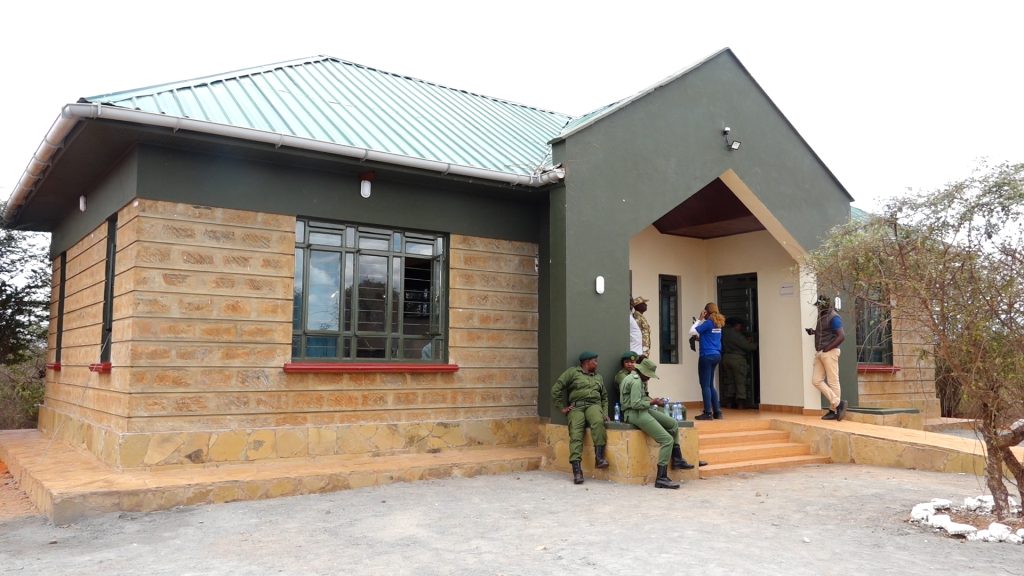
The command centre serves as the headquarters of the TTWCA Kasigau Security Sub-Hub, coordinating security operations, ecological monitoring, intelligence gathering, and conservation activities across 35 member conservancies and ranches that provide critical habitat for elephants, lions, giraffes, elands, dik-diks, and other wildlife.
TTWCA Chief Executive Officer Alfred Mwanake said the facility will improve how conservation data is collected and used to guide decision-making across the landscape.
“This is where the rangers will be receiving information that informs decision-making across the landscape. The data collected here will help guide responses to human-wildlife conflict, illegal wildlife trade and other conservation challenges,” Mwanake said.
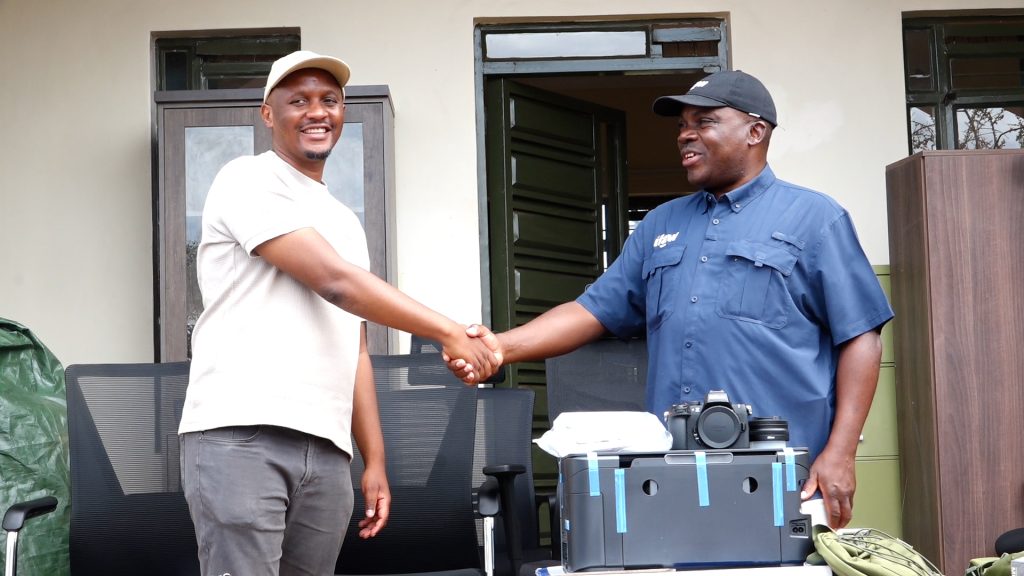
The command centre represents a major shift from traditional paper-based patrol reporting to modern digital conservation technologies.
Community ranger Francis Nguzo Maghanga, who has served with TTWCA for five years, said rangers previously relied entirely on notebooks and pens while conducting patrols.
“In the past we used paper to record everything during patrols. Today we use SMART, EarthRanger and GPS devices to record wildlife sightings, poaching incidents and environmental threats electronically,” he said.
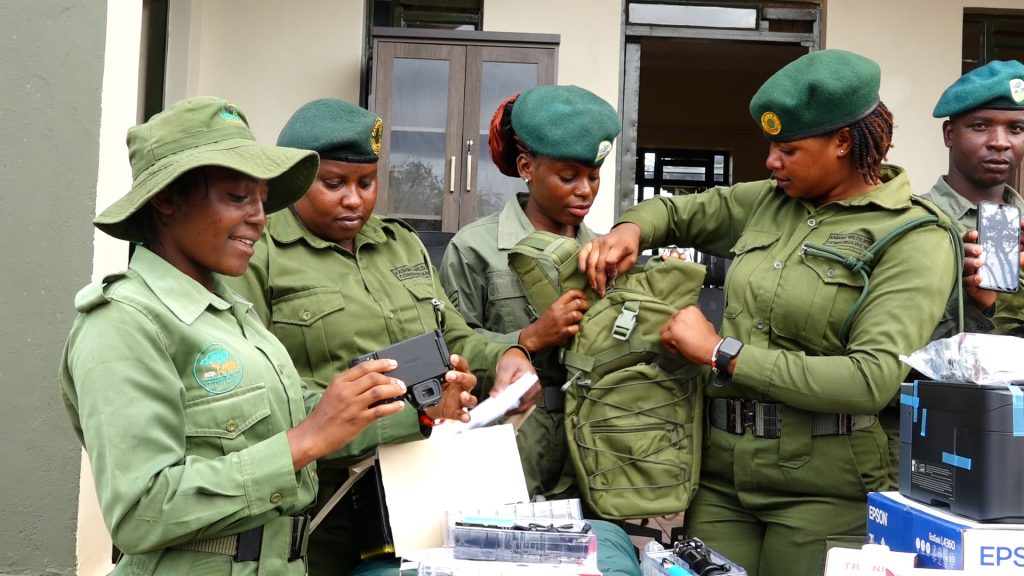
The Spatial Monitoring and Reporting Tool (SMART) enables rangers to capture patrol data, wildlife observations, illegal activities and ecological information directly in the field, while EarthRanger provides real-time monitoring of patrol movements, wildlife locations and conservation operations.
The technology also allows supervisors to receive live updates from multiple conservancies, improving coordination and enabling faster responses to incidents across the expansive Tsavo landscape.
Francis noted that although the technology has significantly improved operations, network coverage remains a challenge in some remote areas.
“We would like more equipment that can continue transmitting real-time information even in areas with poor network coverage across the Tsavo landscape,” he said.
Beyond patrol operations, the new facility is strengthening wildlife crime investigations through improved evidence management and ranger training.
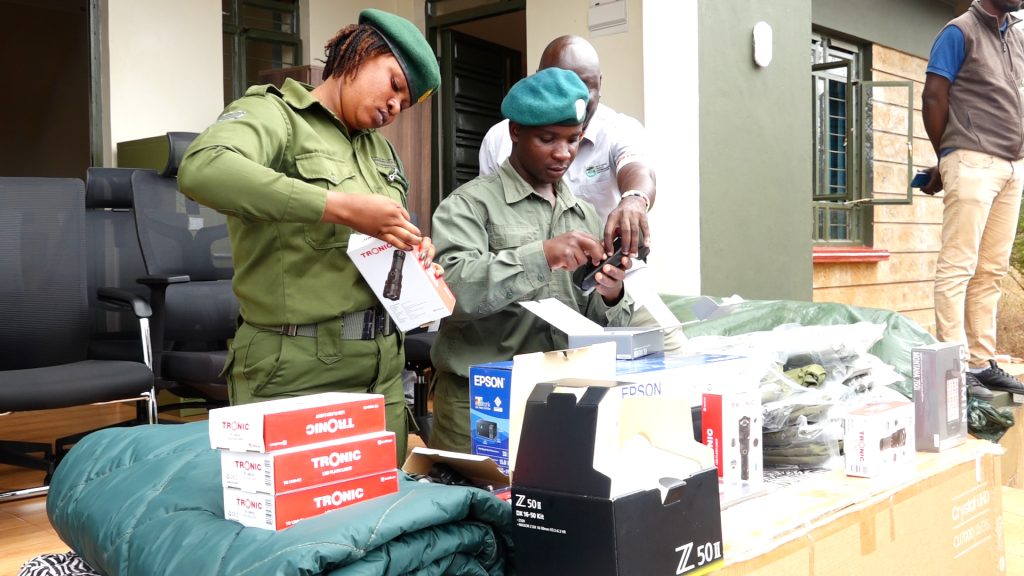
Francis said rangers have undergone specialised training on handling exhibits, collecting evidence and maintaining proper documentation to preserve the integrity of wildlife crime investigations.
“We have been trained on how to record exhibits properly so there is no tampering before they reach the laboratory. This helps ensure evidence remains credible during court proceedings,” he said.
He added that rangers have also received training on lawful arrest procedures and the humane handling of suspects.
“We have learned how to handle suspects according to the law. We are not allowed to harm suspects, and we now understand the proper legal procedures before cases proceed to court.”
The command center will also host regular refresher courses covering anti-poaching operations, ecological monitoring, intelligence-led enforcement and data collection.
According to TTWCA Rangeland Security Coordinator Anyang Kenneth Omaria , the Kasigau Security Sub-Hub will standardize conservation operations while improving coordination among approximately 255 male and female rangers deployed throughout the TTWCA landscape.
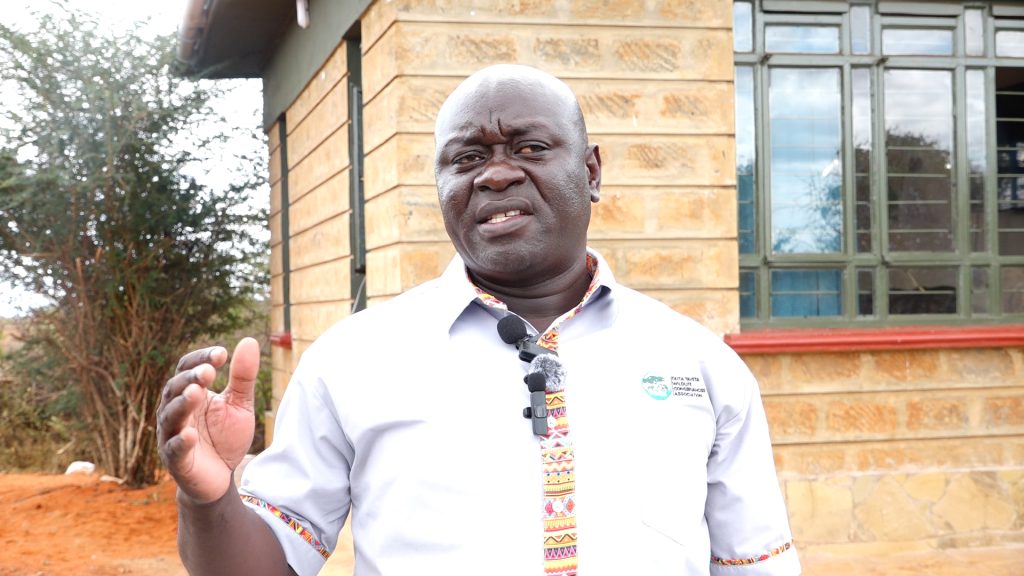
“The command center helps coordinate ranger and security operations across the landscape while ensuring everyone follows the same operational framework for security and ecological data collection,” he said.
Kenneth noted that although elephant poaching has declined, bush meat poaching has become one of the biggest conservation threats facing the Tsavo ecosystem.
Illegal hunting of species such as eland, giraffe and dik-dik has increased in areas including Mgeno and Lualenyi, particularly during prolonged droughts when some communities seek alternative sources of food and income.
TTWCA is working closely with the Kenya Wildlife Service (KWS), including its specialized bush meat enforcement unit, through joint patrols and intelligence-led operations to combat the growing threat.
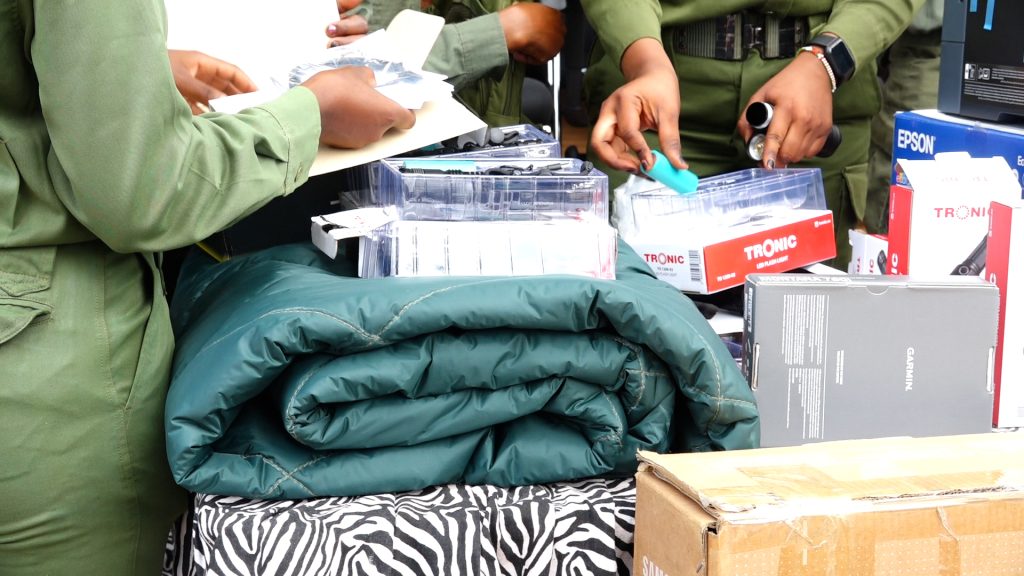
Human-wildlife conflict remains a major challenge across the unfenced Tsavo ecosystem, where wildlife frequently moves between protected areas and community land.
Using GPS-collared wildlife data integrated into Earth Ranger, conservation teams can establish virtual geofences around villages and farms. The system generates alerts whenever elephants, lions or other monitored animals approach communities, allowing rangers to intervene before conflicts escalate.
The technology is expected to play an increasingly important role following delays to the proposed 105-kilometre Sagala-Maungu electric fence project, which has stalled due to community disagreements and ongoing court cases.
IFAW Kenya Country Director Ben Wandago said the Kasigau command center forms part of the organization’s flagship Room to Roam program, which supports wildlife conservation across Kenya’s southern rangelands from Tsavo to the Maasai Mara.
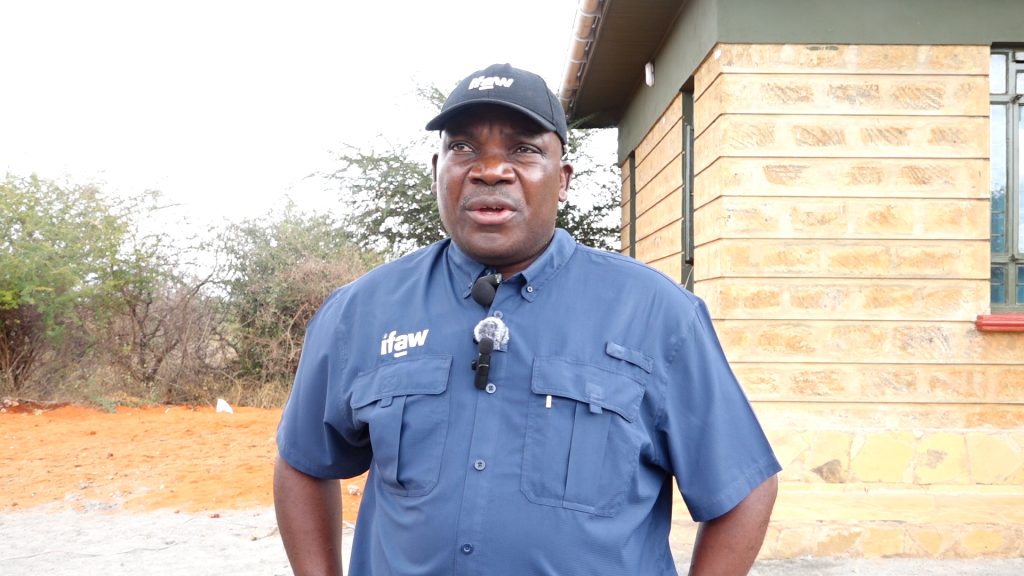
Within Tsavo, IFAW works primarily with TTWCA to strengthen community conservancies and create more space for wildlife while supporting initiatives that promote peaceful coexistence between people and wildlife.
“Our support has focused on creating more space for wildlife, mitigating human-wildlife conflict and strengthening wildlife crime prevention. The security hub was established to support a multi-agency approach in combating wildlife crime, particularly the growing challenge of bush meat poaching,” Wandago said.
He explained that IFAW’s support has been implemented in phases, beginning with construction of the facility before gradually providing equipment and operational support.
The next phase of development will include establishing a fully equipped wildlife forensic laboratory within the Kasigau Rangers Hub.
According to Wandago, the proposed laboratory will go beyond simply storing wildlife specimens.
“The room should become a fully functional field laboratory where specimens can be properly stored before being transferred for forensic analysis. We will continue working with the Wildlife Research and Training Institute to strengthen this capacity,” he said.
Rangers have already received training on collecting and preserving wildlife crime evidence, but additional laboratory infrastructure will improve the handling and storage of exhibits before prosecution.
TTWCA CEO Alfred Mwanake said the association also plans to equip the laboratory with freezers and evidence preservation facilities to support wildlife crime investigations and prosecutions.
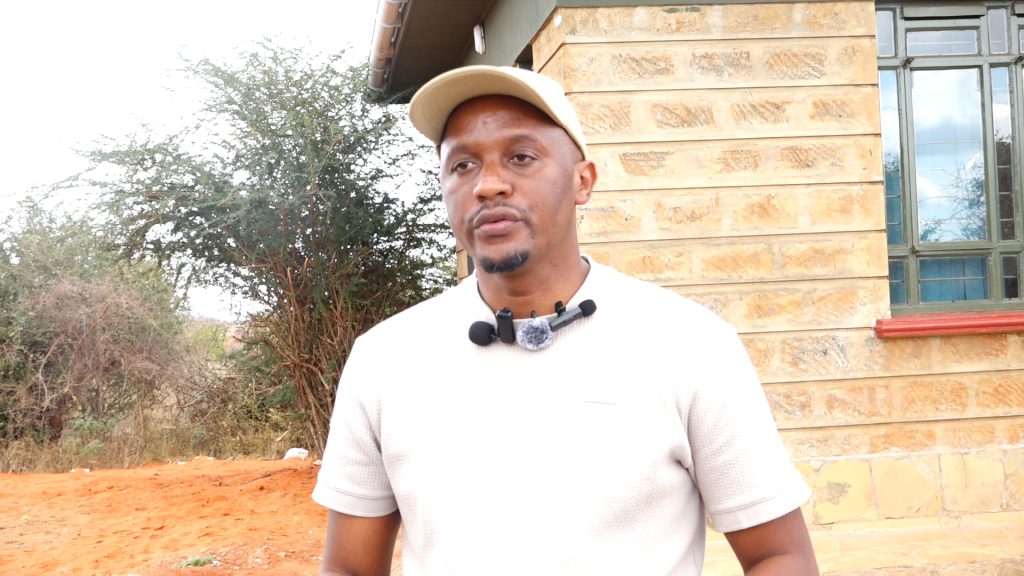
IFAW is also exploring the use of drone technology to further enhance surveillance across the Tsavo landscape.
Wandago said the organization already supports community drone operations in Amboseli and hopes to introduce similar capabilities at Kasigau to improve aerial monitoring of wildlife movements, illegal activities and ranger deployments.
The command center has been designed as a technology-driven operations room capable of integrating real-time monitoring systems, digital mapping, communications and future drone surveillance.
Conservation partners believe the Kasigau Joint Operations Command Centre will become a model for similar facilities across TTWCA’s network of conservancies.
By combining modern conservation technology, coordinated ranger operations, scientific data collection, wildlife crime investigations, community partnerships and continuous training, the facility is expected to significantly strengthen biodiversity conservation while promoting peaceful coexistence between people and wildlife across one of Kenya’s most important wildlife landscapes.
