


Story by Nester Mwambingu
The debate around health standards in Taita Taveta County has raised significant concern among various leaders, particularly those who have already declared interest in vying for the gubernatorial seat in the 2027 General Election.
To understand the current situation, it is important to reflect on the past 13 years since the advent of devolution in 2013, when Eng. John Mruttu was entrusted with the mandate to steer the development vision of more than 350,000 residents of Taita Taveta County in line with Kenya’s Vision 2030.
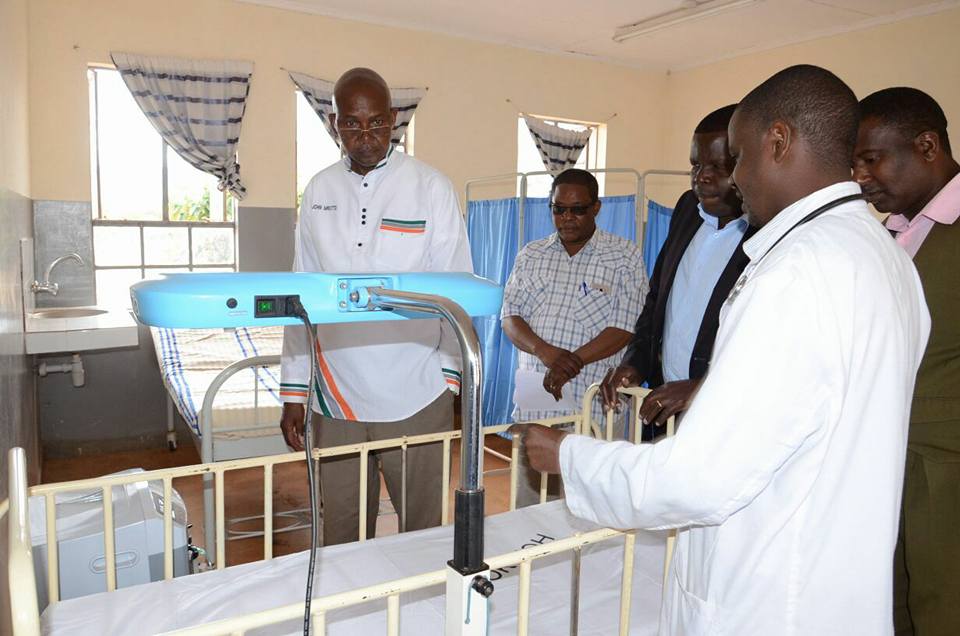
Immediately after assuming office, Eng. Mruttu prioritized infrastructure development across all sectors, with health being one of the most critical and sensitive areas. At the time, the county had only 48 health facilities, prompting his administration to construct new facilities and employ additional health workers across all cadres to improve access to affordable healthcare.
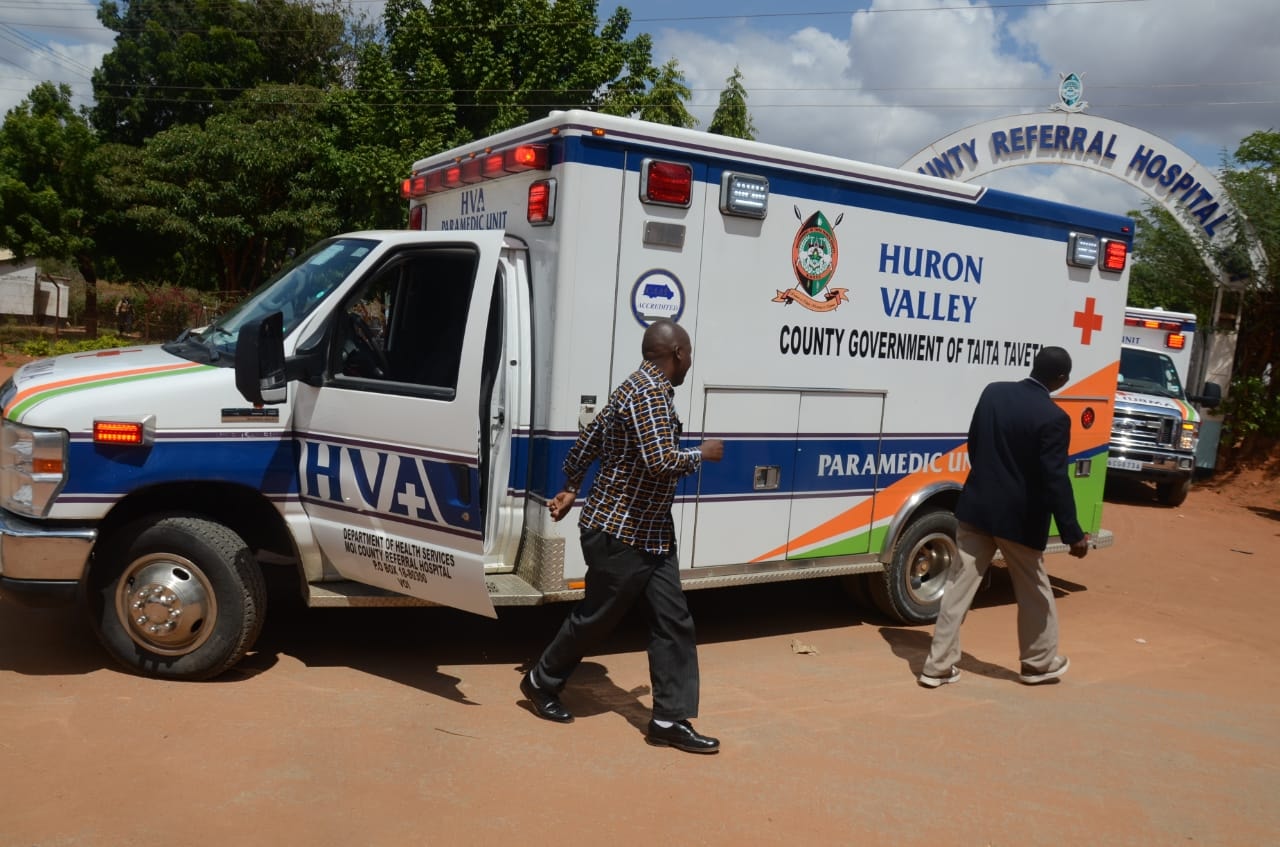
To enhance emergency response, the pioneer governor procured three pickup ambulances, which continue to play a vital role during emergencies to date. However, his administration faced numerous challenges, including recurrent health workers’ strikes stemming from agreements made at the national level, compounded by delayed disbursement of funds from the National Treasury. Inadequate drug supplies also persisted due to these delays.
In the 2017 General Election, Taita Taveta residents elected Hon. Granton Graham Samboja, entrusting him with the responsibility of advancing devolution gains, particularly in the health sector.
One of Governor Samboja’s first actions was the appointment of a special inquiry team led by then Chief of Staff Commissioner Philemon Mwaisaka. The team conducted extensive inspections and submitted its findings to the governor for action.
In the health sector, Governor Samboja initiated reforms aimed at improving service delivery. A notable project was the establishment of a cancer center at Moi County Referral Hospital in Voi, supported by the Association of First County Ladies, with the aim of reducing the need for patients to seek cancer treatment outside the county.
The cancer center, located near the MCH/FP clinic, consultation rooms, and theatre, operated briefly before being closed following a report by the National Cancer Institute of Kenya (NCI-Kenya). The regulator cited the location as unsafe, noting that it posed health risks to patients in neighboring units and failed to meet required standards.
To strengthen emergency response, Governor Samboja acquired three Monroe left-hand drive ambulances designed for rescue operations, considering the county’s proximity to the accident-prone Mombasa–Nairobi Highway. However, the ambulances were later grounded due to high fuel consumption and lack of spare parts, making them costly to maintain.
The administration also established a central drug store in Wundanyi to receive supplies from KEMSA before distribution to health facilities, aimed at enhancing accountability and reducing losses. However, high distribution costs led to the closure of the facility, and the county reverted to the direct delivery (last-mile) system.
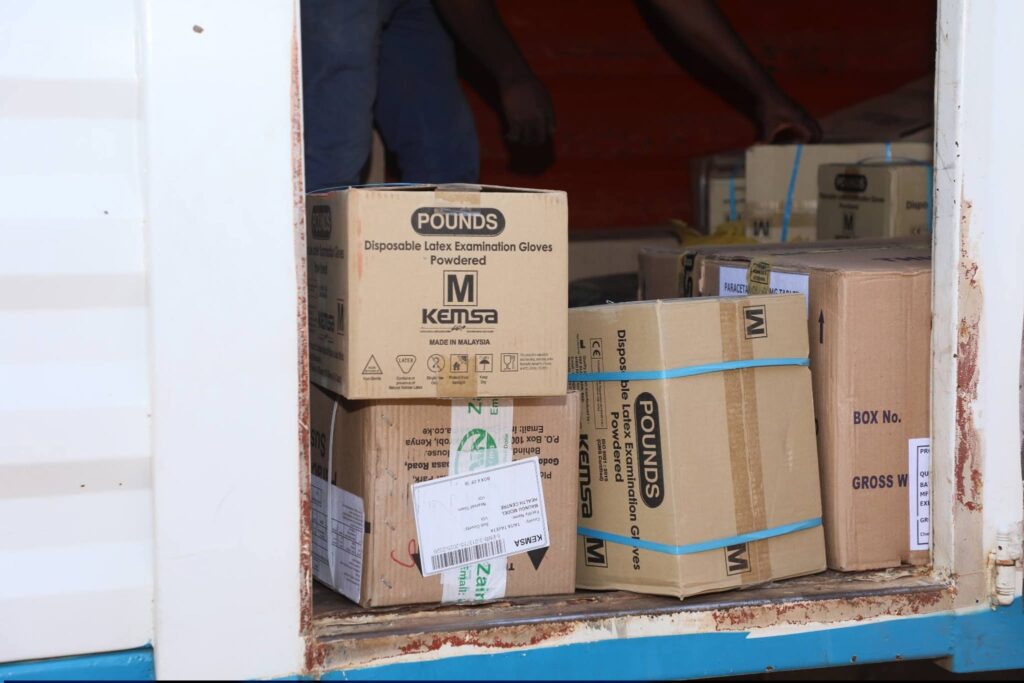
According to health sector sources, it was during this period that Taita Taveta County was blacklisted by KEMSA for failing to clear debts exceeding three months. Additionally, outstanding bills of approximately KSh 80 million to KEMSA and KSh 18 million to MEDS severely affected drug availability, negatively impacting service delivery.
The period was also marked by repeated industrial unrest and the controversial dismissal of some health workers, further straining healthcare services.
Governor Samboja’s tenure coincided with the COVID-19 pandemic, during which a 160-bed isolation facility with an ICU unit was established at Mwatate. However, subsequent inspections by Ministry of Health experts revealed that the ICU failed to meet operational standards due to the lack of specialists, round-the-clock oxygen supply, imaging services, and dialysis facilities. Consequently, the unit was not certified.
In 2022, residents elected Governor Andrew Mwadime, tasking him with consolidating gains and addressing persistent challenges in the health sector, a fully devolved function.
Governor Mwadime began by engaging health unions to understand their grievances and sector-wide challenges. His administration allocated funds to partially clear outstanding KEMSA and MEDS debts, enabling the county to resume drug supplies through the last-mile delivery system. This brought relief to residents relying on public health facilities.
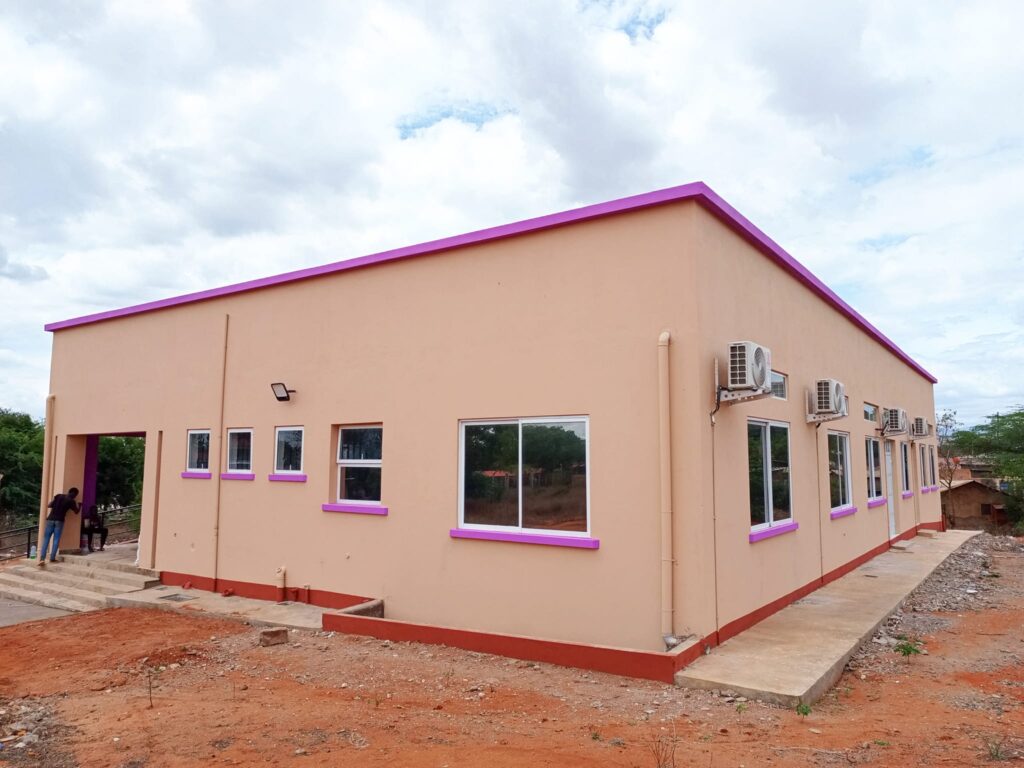
The Mwadime administration completed a new cancer Centre at Moi County Referral Hospital, which is fully constructed and awaiting additional equipment. Services have since resumed, marking a significant upgrade from the previous facility.
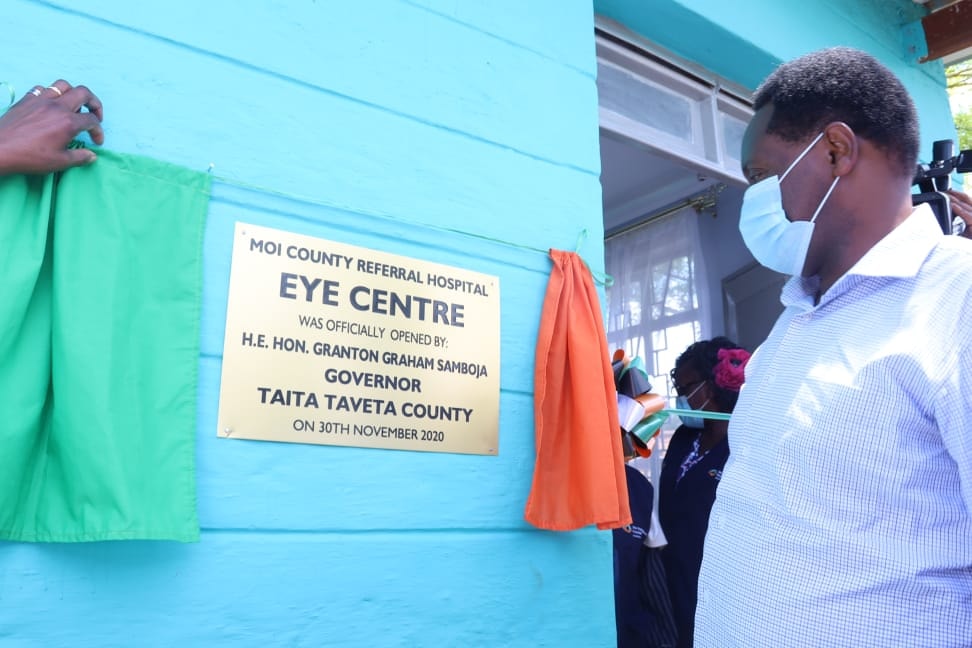
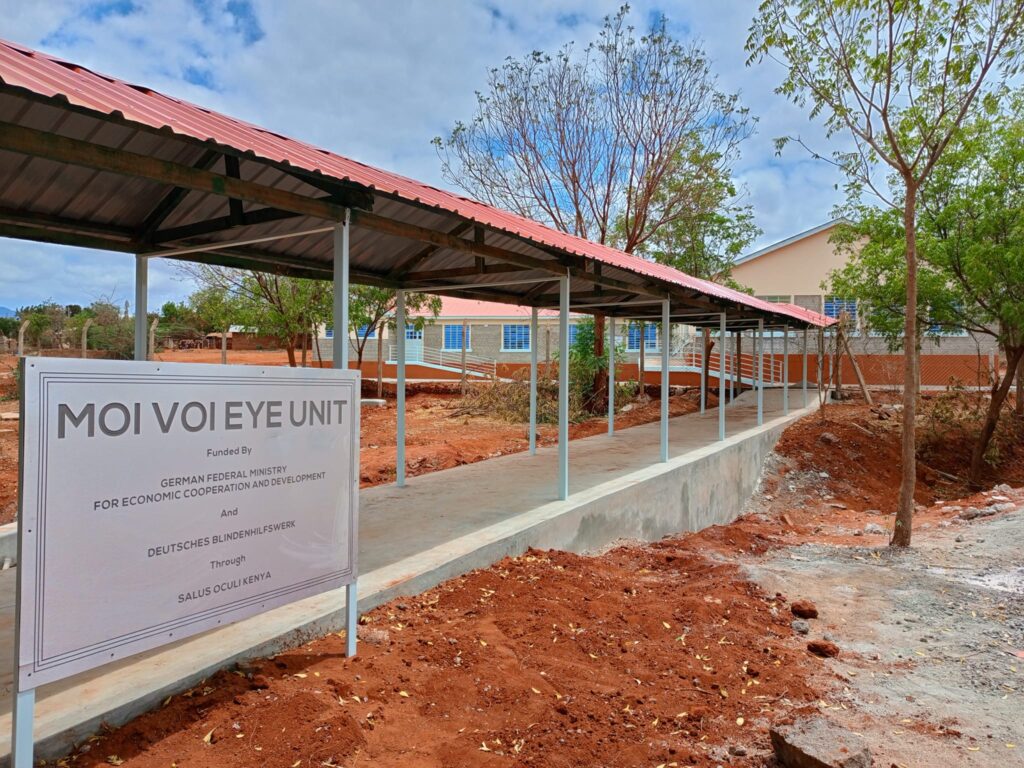
Through partnerships, the county established a new eye Centre costing KSh 80 million, including staff training and equipment. The facility is now fully operational.
Additionally, the administration began settling third-party deductions amounting to KSh 800 million, alongside clearing over KSh 100 million in four months’ salary arrears owed to nurses and clinical officers. These deductions had previously been withheld without remittance to banks and insurance institutions.
Health workers report improved salary timelines, with delays reduced from three months to approximately one month, largely due to late national disbursements.
The county also procured three industrial laundry machines, installed at Moi Referral Hospital, Wesu Hospital, Mwatate Sub-County Hospital, and Taveta Hospital, the first such purchase since devolution.
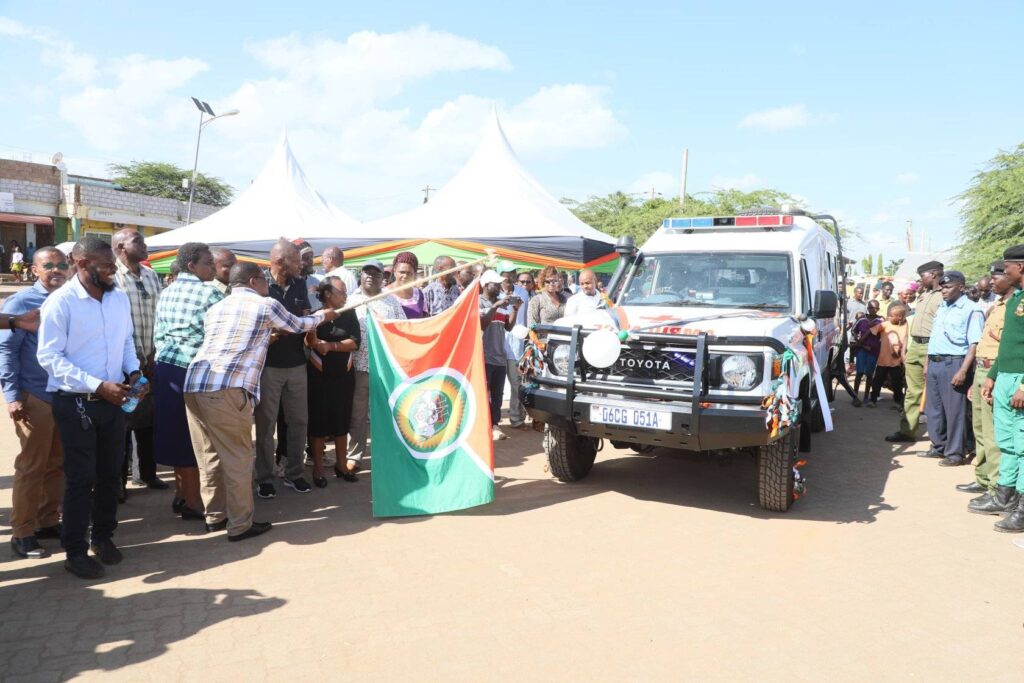
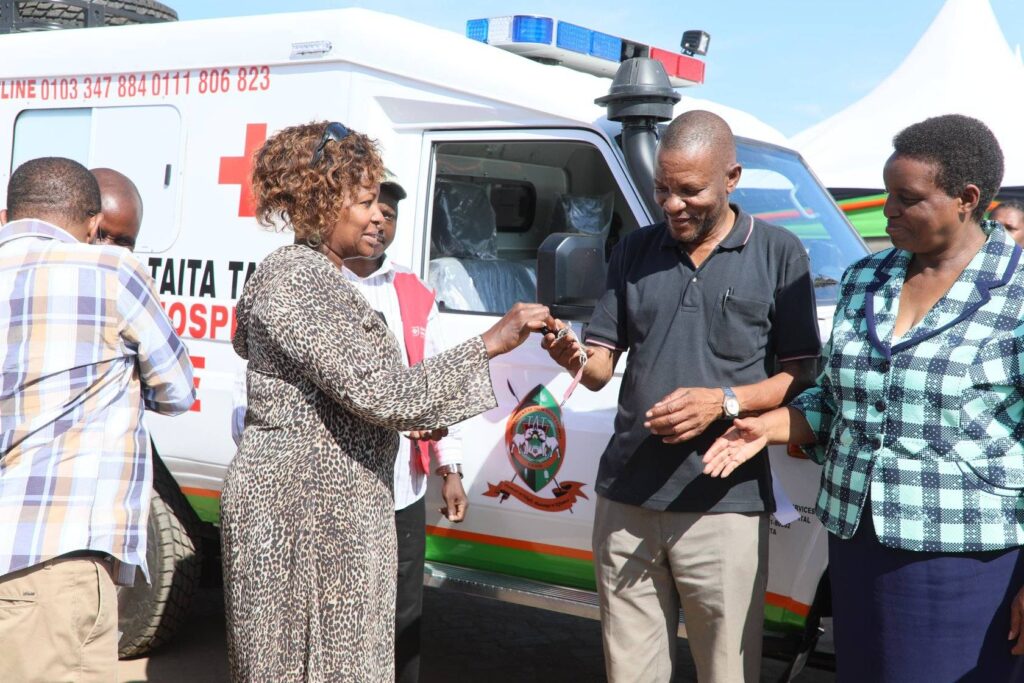
To improve emergency response, the government purchased one ambulance stationed at Taveta Hospital and established a 24-hour emergency dispatch Centre at Moi Referral Hospital in partnership with the Emergency Medicine Kenya Foundation.
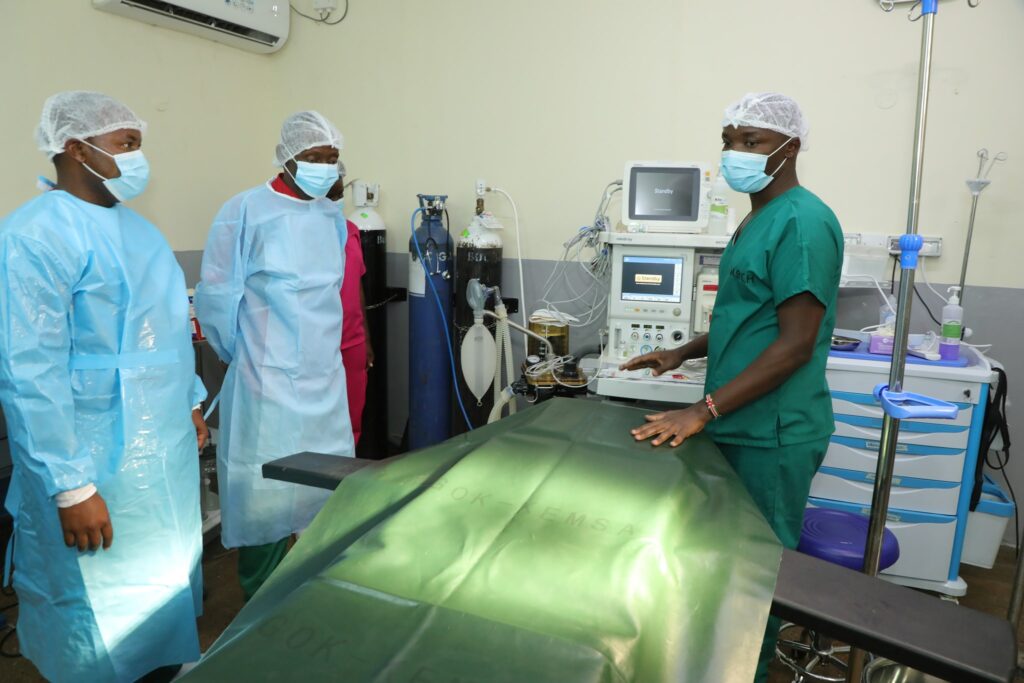
Through a Public–Private Partnership with Safaricom, a theatre, newborn unit, and maternity wing with 12 beds and oxygen piping were constructed at Mwatate Hospital and are set for official commissioning.
Further investments include upgrades at Bughuta Health Centre, Kajire Dispensary, Sagalla Health Centre staff houses, Kirumbi Dispensary maternity block, Bamako Dispensary maternity block, Mlegwa Dispensary sanitation facilities, Tausa Health Centre OPD, Mwambirwa maternity ward, and renovations at Wesu Sub-County Hospital and Taveta Mortuary.
The county has also procured dialysis machines for Moi Referral Hospital and Taveta Hospital.
A major upcoming milestone is the construction of a KSh 352 million trauma Centre at Moi County Referral Hospital under the Kenya Urban Support Programme, funded by the World Bank. The county contributed KSh 12 million, and the project is expected to be completed within 18 months.
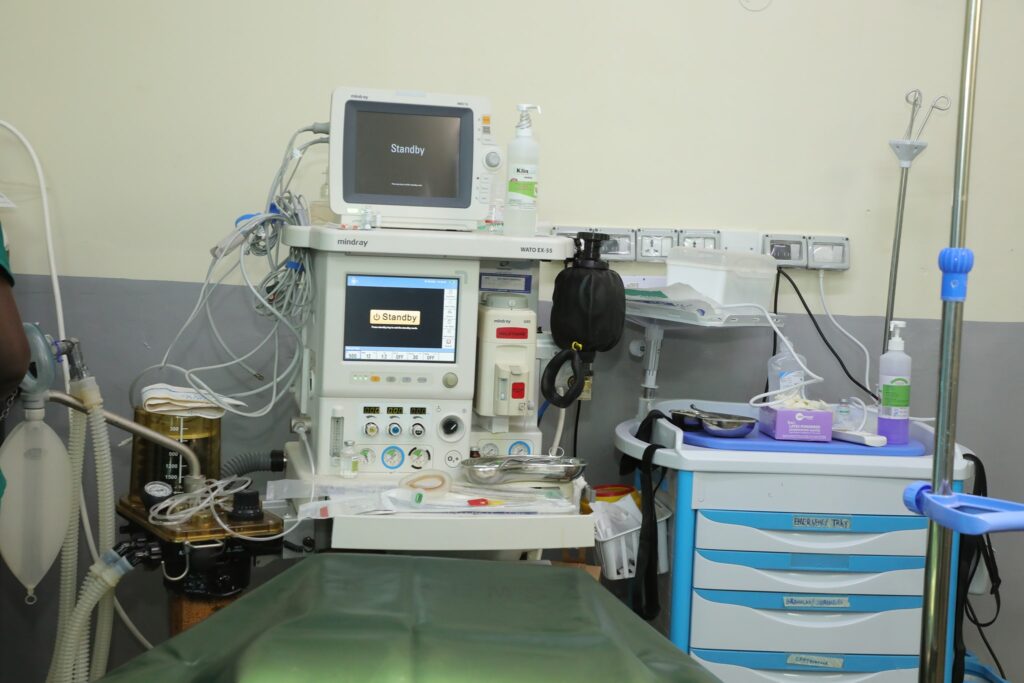
The trauma Centre will feature ICUs, HDU, theatres, surgical wards, an emergency department, and an oxygen plant, significantly improving emergency care along the Mombasa–Nairobi Highway while boosting county revenue.
Governor Mwadime has also employed additional health workers across all cadres, with many hired on permanent and pensionable terms, improving staff morale and service delivery.
Despite these gains, more investment is needed, particularly in mortuary services, which remain underdeveloped despite their importance.
Politics across the 47 counties continue to influence health outcomes, especially where disagreements between governors and county assemblies lead to reduced budget allocations for priority projects.
Devolution has nonetheless enabled counties to plan independently, train healthcare workers, and improve access to specialized services at county referral hospitals.
On the NHIF–SHA transition, health experts note that while NHIF had challenges, it covered both formal and informal sectors, ensuring adequate revenue. SHA, however, has struggled to achieve similar coverage, leading to funding and service delivery challenges.
As the 2027 election approaches, residents must weigh political promises against tangible achievements. The key question remains whether voters prefer frequent leadership changes or sustained projects that directly improve lives.
