

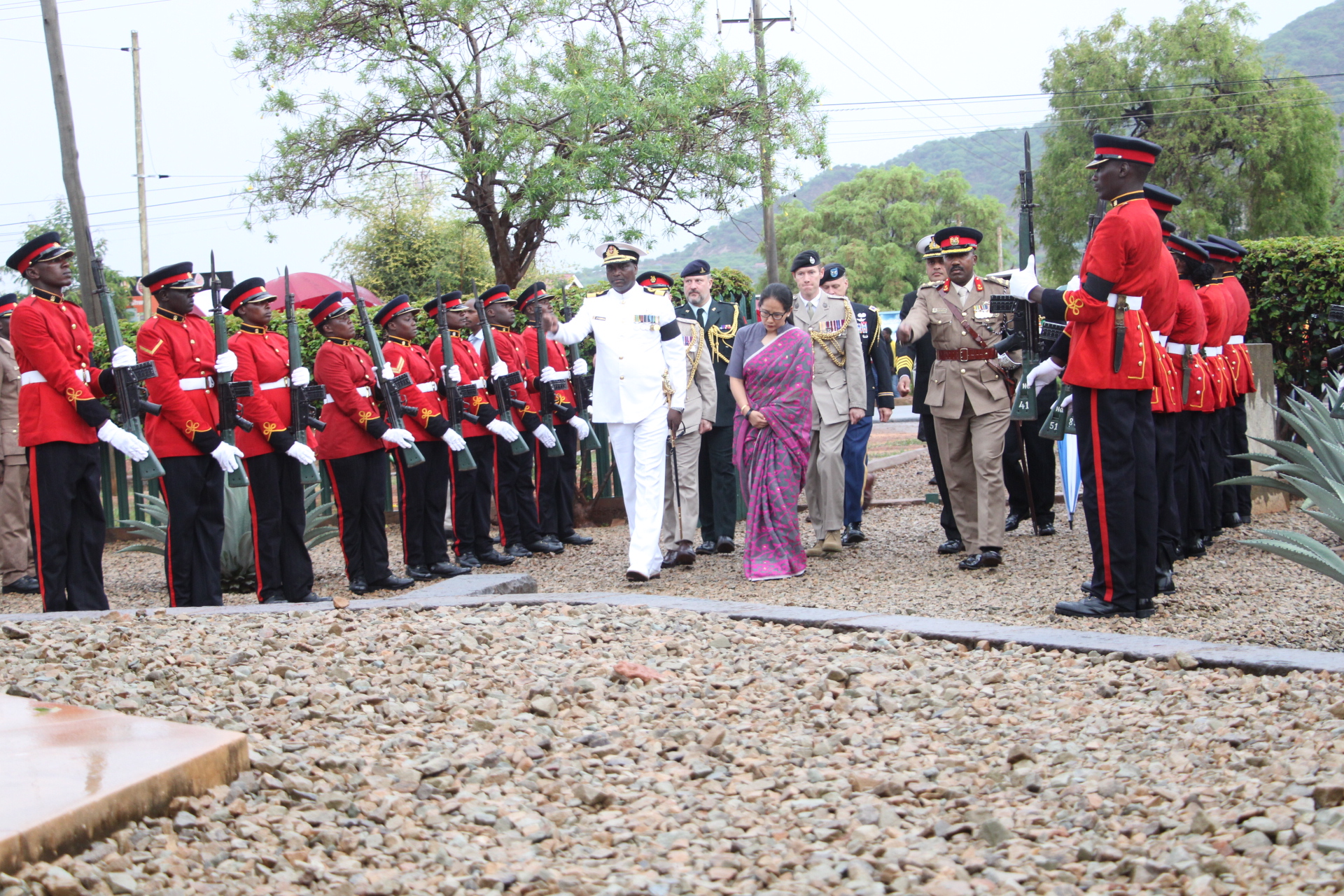

Efforts to identify African soldiers who fought and died during World War 1 (WW1) are gaining momentum even as Commemoration of the fallen heroes continue annually.
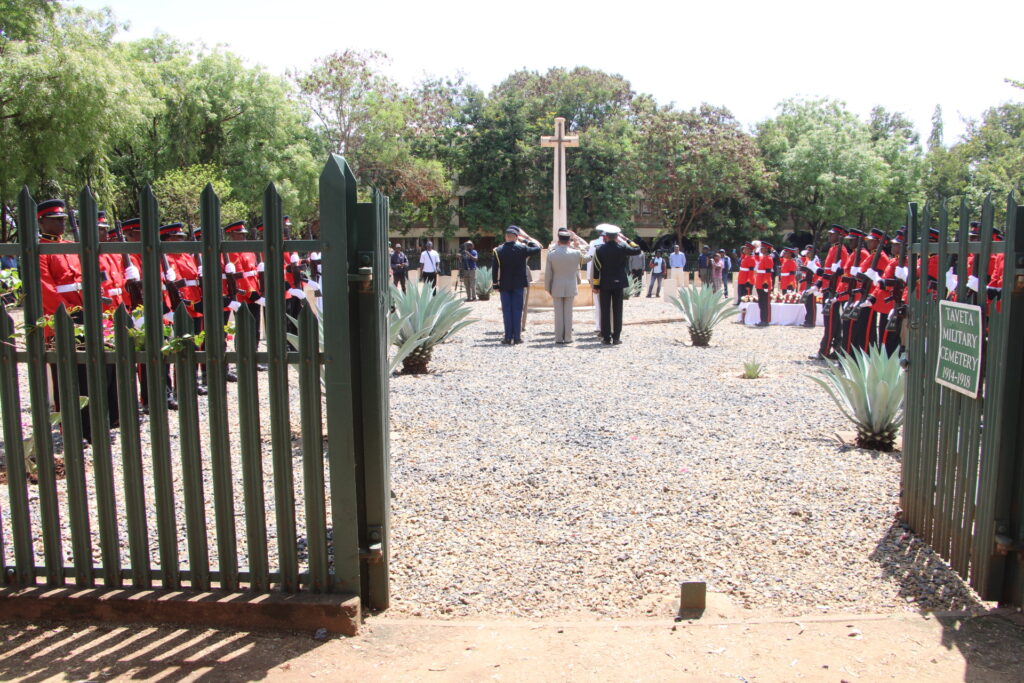
Speaking on Saturday at the Commonwealth War Graves Cemetery in Taveta during the 8th commemoration of the fallen soldiers, Kenya Navy Deputy Commander Brigadier John Kiswaa stressed the importance of acknowledging African soldiers and porters who participated in the East African campaign.
He noted that many remain unidentified, but their sacrifices contributed significantly to the peace enjoyed today.
“Of good to note is that we had African soldiers and also those Africans who participated as porters who supported the war in terms of logistic support, and many of them lost their lives. They paid the ultimate price, but not in vain because the peace that we enjoy today is as a result of their struggle,” said Brigadier Kiswaa.
He revealed that ongoing efforts to identify the fallen African soldiers of WW1 have so far yielded 12 names, with more expected to be traced.
“There’s an exercise that is ongoing to try as much as possible to identify those soldiers of African descent who lost their lives during the World War one. Remember, there were many from different African countries, particularly of the Commonwealth,” he stated.
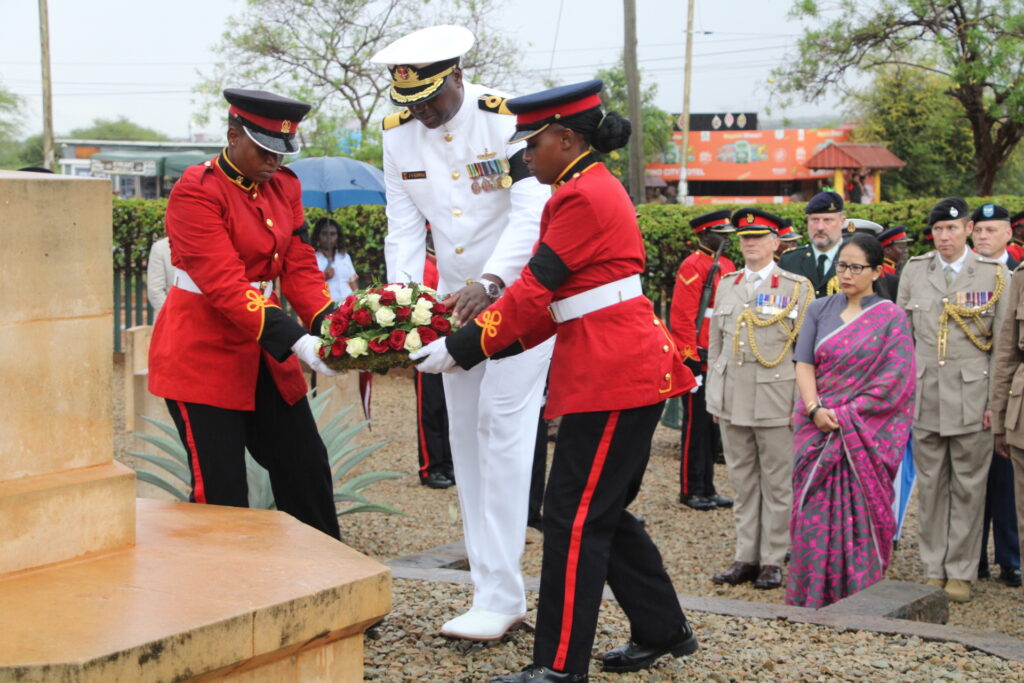
The two-day commemoration began in Voi followed by Maktau before concluding in Taveta. It drew diplomats, ambassadors, military representatives from Commonwealth nations and Kenya, and local residents.
The event honored the courage and sacrifices of those who served in the East African theater, often in a war they did not fully comprehend.
Retired hotelier and historian Willie Mwadilo highlighted Taita Taveta County’s unique historical significance in the East African campaign, calling for greater efforts from both local and national governments to promote the region as a historical and tourist destination.
“This commemoration has been relatively low-key due to limited publicity. While KDF is directly handling it, Taita Taveta County should step in, advertise, and promote these sites as tourist attractions that could benefit the community,” Mwadilo stated.
He pointed out key war sites, such as the Taita Hills Museum and battlefields in Voi and Taveta, which remain underutilized as educational and tourism resources.
He urged the government to prioritize enhancing these sites to boost awareness and tourism.
Mwadilo also emphasized the need to recognize the role of Kasigau, an area heavily affected by the war. “Talking about World War one in Taita Taveta, we keep on living out Kasigau. It is actually Kasigaus who faced the biggest brunt of the war around here. In future, we need to recognize them. We need to go and talk about Kasigau and apart from that, we also need to see how the government can step in and create something which will attract people to go and see Kasigau as a town on its own,” he added
Donald Mwakio, curator of the World War 1 Museum at Taita Hills Resort and Spa, echoed similar sentiments. He cited shrinking visitor numbers to sites such as Mile 27 and Fort Mashotti due to inadequate marketing.
“We have two sites in the sanctuary which were involved in the First World War. We have Mile 27 where the First World War took place, and a lot of souls were lost in there. The war pitted the German party, which actually attacked an armored train from Bura heading to Maktau, which was the largest parks. Apart from that, we have Fort Mashotti, which is within the Taita Hills sanctuary,” Mwakio explained.
Nairobi resident Njoki Mohoho, who attended the event, emphasized the need for Kenyans to embrace their history. She expressed disappointment at the lack of local engagement with the sites.
“Why do we know more about events like the French Revolution than about our own history? Visiting these cemeteries is vital to understanding the sacrifices made by Africans during the war,” she said.
Mohoho emphasized the need for a shift in education, calling for greater emphasis on local
history and the recognition of the sacrifices made by Africans during the war. She said that visiting the cemeteries and learning about these forgotten heroes is a crucial step
toward understanding the true nature of Kenya’s past.
Brigadier Kiswaa reaffirmed the commitment of the Kenya Defense Forces and the government to preserving the history of the soldiers.
“We will continue with the efforts to identify the African soldiers who fought in the war. As we progress, we will continue to recognize their contributions, and it is our duty to ensure that these heroes are remembered,” Brigadier Kiswa assured the attendees.
The event served as a call for increased public awareness, government support, and local involvement to ensure that Kenya’s role in World War I is not forgotten.
