

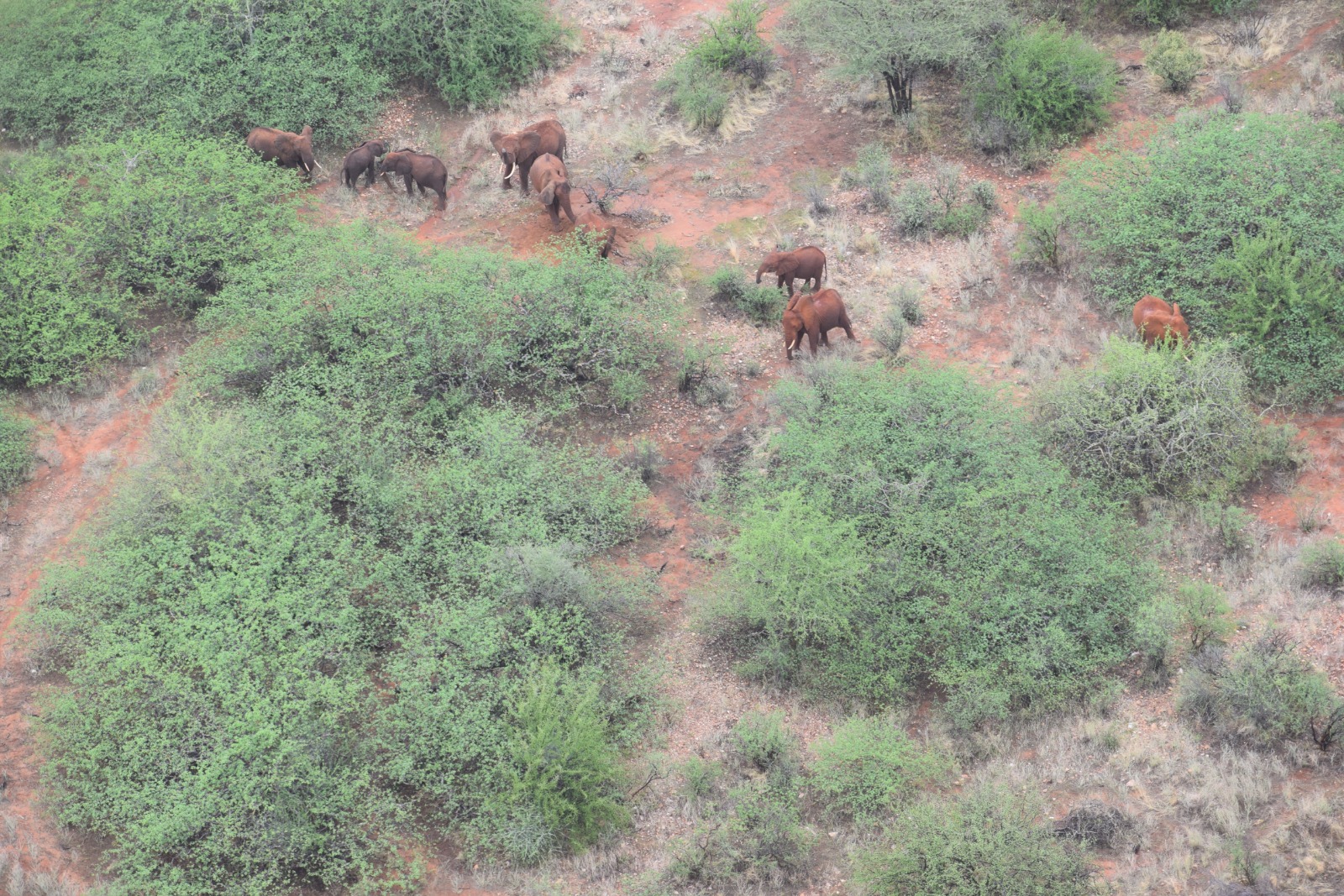

The Wildlife Research and Training Institute (WRTI) has launched an eight-day wildlife census across the vast Tsavo ecosystem to monitor population trends and provide a reliable data that will help to boost sustainable conservation efforts and to address human-wildlife conflicts.
The exercise, which began on Monday at Taita Hills Resort and SPA, saw ten caravans deployed for aerial surveys to assess key species and evaluate the impact of climate change on wildlife.
The collaborative effort, involving WRTI, Kenya Wildlife Service (KWS), save the elephant, ministry of Tourism and other conservation partners, aims to gather crucial data to support conservation strategies and promote sustainable tourism.
Speaking during the event, WRTI CEO Dr. Patrick Omondi stressed the importance of the census, which is conducted every three years, in tracking wildlife populations and guiding conservation policies.
He highlighted that the current survey follows the devastating 2022 drought, which caused high mortality rates among various wild animals such as the buffaloes, zebras, and antelopes.
“This census is critical in identifying population trends and ensuring we have accurate data to guide conservation efforts,” Omondi stated adding that, “It will help us determine which species are thriving, which are declining, and where urgent action is needed.”
The exercise involves systematic aerial surveys using aircraft to count large mammals, monitor predators, and assess waterfowl populations.
A team of ten pilots has been assigned specific blocks within the ecosystem that has been divided into 77 blocks to prevent double counting and enhance data accuracy.
The activity which is expected to cover 41,000 square kilometers, is part of the ongoing National wildlife census 2024 – 2025.
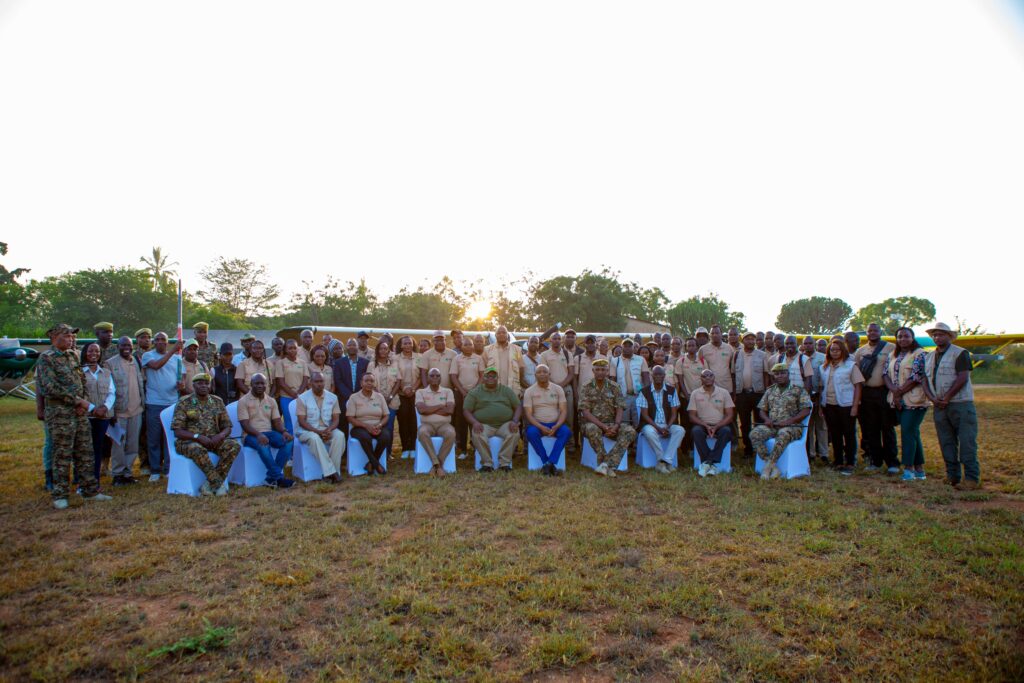
According to Dr. Omondi, the census will provide reliable data to assess population changes since the last survey in 2021. The findings will help conservation bodies identify endangered, overpopulated, or stable species, enabling the formulation of targeted conservation policies. Additionally, the results will support county and protected area management plans aimed at curbing human-wildlife conflicts.
“The data collected will guide policy development for sustainable tourism and ensure the protection of our wildlife heritage. Further, it will guide the government in designing policies that ensure sustainable tourism to enhance economic development and environmental sustainability, which is in line with the Bottom-Up Economic Transformative Agenda (BETA),” he said.
He added that the census would also track migration patterns, species distribution, and evaluate the effectiveness of previous conservation measures.
WRTI has conducted similar exercises in other key ecosystems, including Amboseli, Maasai Mara, Nakuru, and Kapiti. Findings from these surveys, alongside the Tsavo census results, will be released by Tourism and Wildlife Cabinet Secretary Rebecca Miano in June, 2025.
Local leaders present during the exercise welcomed the initiative, highlighting the importance of conservation data in resolving human-wildlife conflicts.
Mwatate MP Peter Shake highlighted the need for communities to benefit from conservation efforts stating that it is the only way they can appreciate the importance of wildlife conservation.
“We urge the government to expedite compensation for victims of wildlife attacks. Local communities should see conservation as an opportunity, not a burden,” said Shake.
On his part, Voi MP Engineer Abdi Chome echoed Shake’s sentiments, noting that many wild animals stray beyond protected areas, intensifying conflicts with local communities.
“This census is vital for understanding migration patterns and addressing human-wildlife conflicts. The findings will help us implement solutions to reduce these conflicts and promote coexistence between communities and wildlife,” Chome said.
The Tsavo wildlife census is expected to deliver a comprehensive overview of the ecosystem’s health, aiding the government and conservation partners in striking a balance between protecting biodiversity and supporting local communities.
