

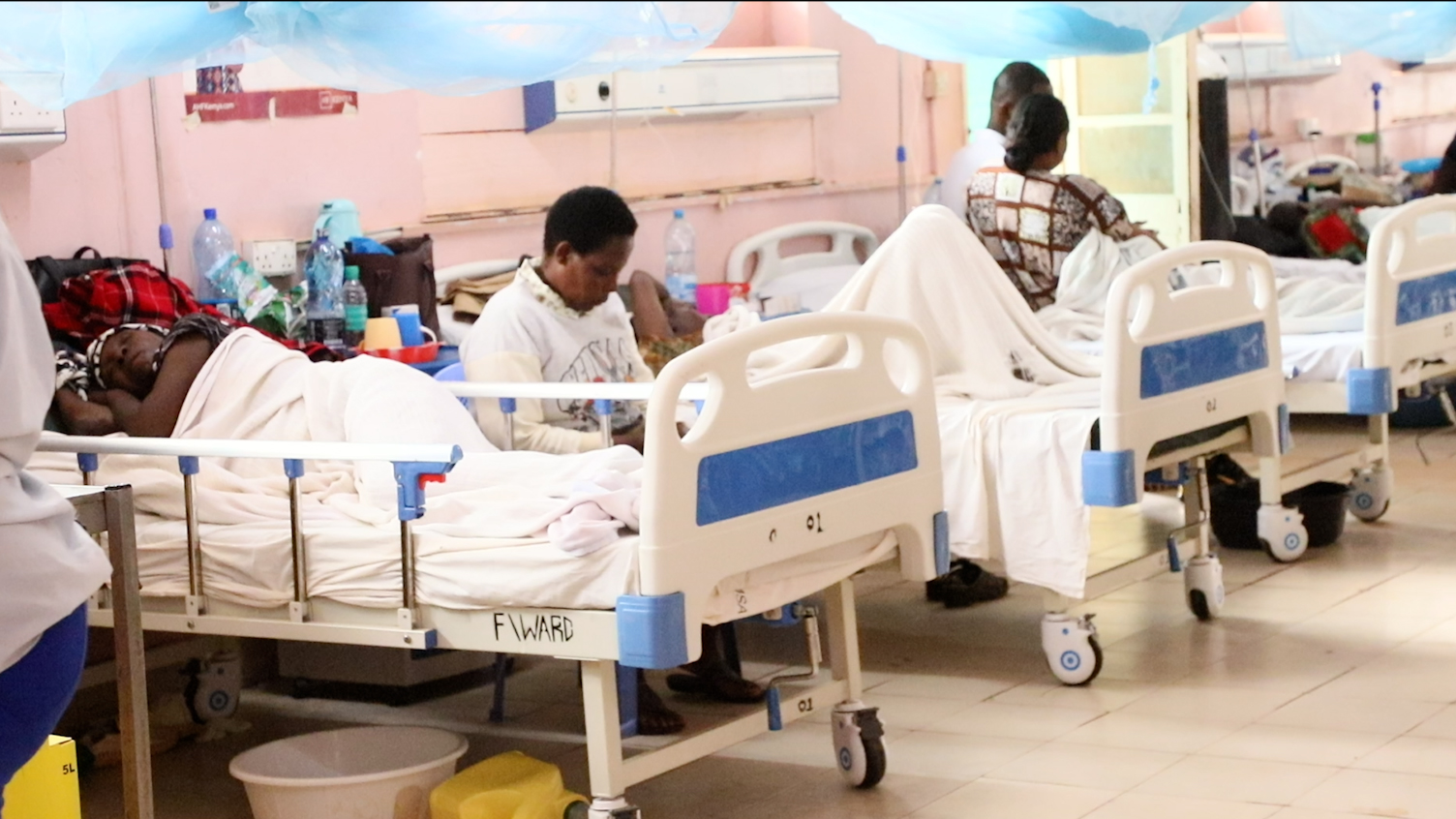

Patients receiving treatment at Moi County Referral Hospital in Taita Taveta are set to benefit from improved comfort and safer care following the procurement of new hospital beds, mattresses, bedding and other essential patient support equipment by the county government.
The chief officer health services Taita Taveta County, Violet Mkamburi, credited the County government for supporting efforts to improve the hospital’s infrastructure, saying the county government has prioritized replacing old hospital beds that had served the facility for many years.
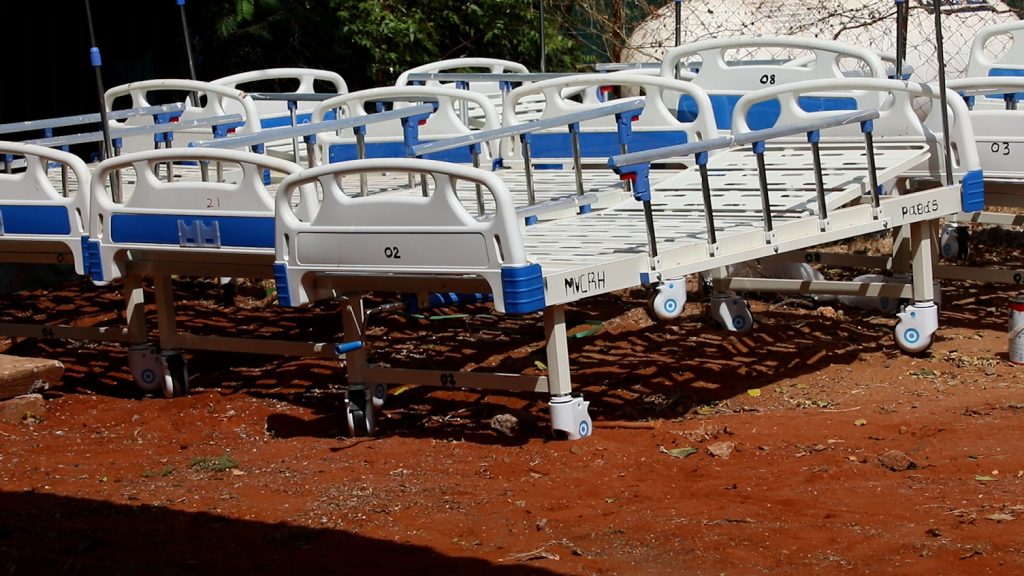
“We thank our Governor, Andrew Mwadime, for enabling us to work in the improved environment we are enjoying today. We have been able to purchase hospital beds for Moi County Referral Hospital. As you know, the beds that have been in use at Moi have been very old and outdated. However, this year we have been able to procure new beds, and we are delivering them in phases,” she said.
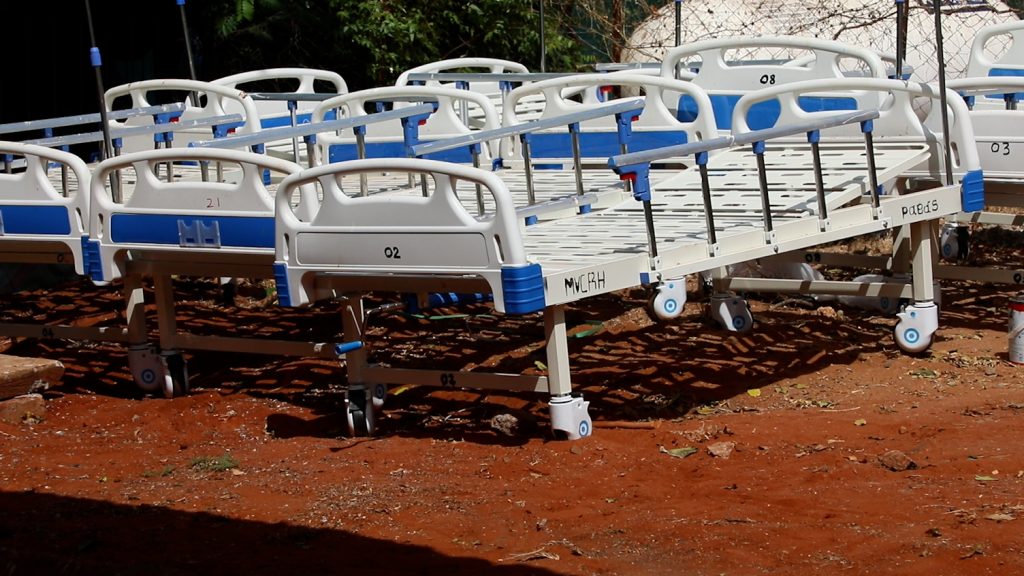
According to Violet, the procurement is being carried out in phases. During the first phase, new beds were installed in the male ward. The latest phase has seen additional beds delivered to the female ward, the children’s ward and the maternity ward, with only a small number remaining before the referral hospital completes the replacement of its aging beds.
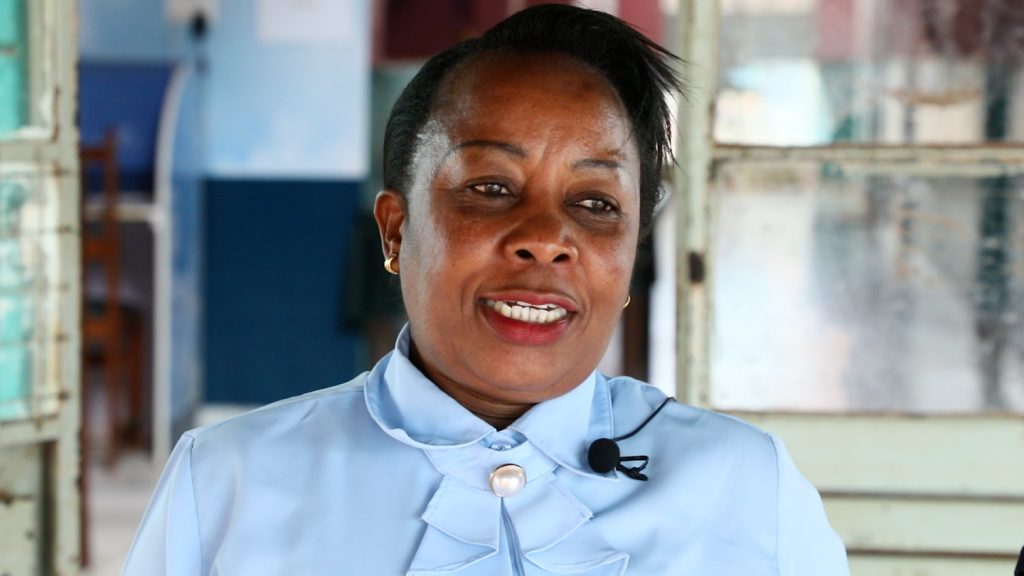
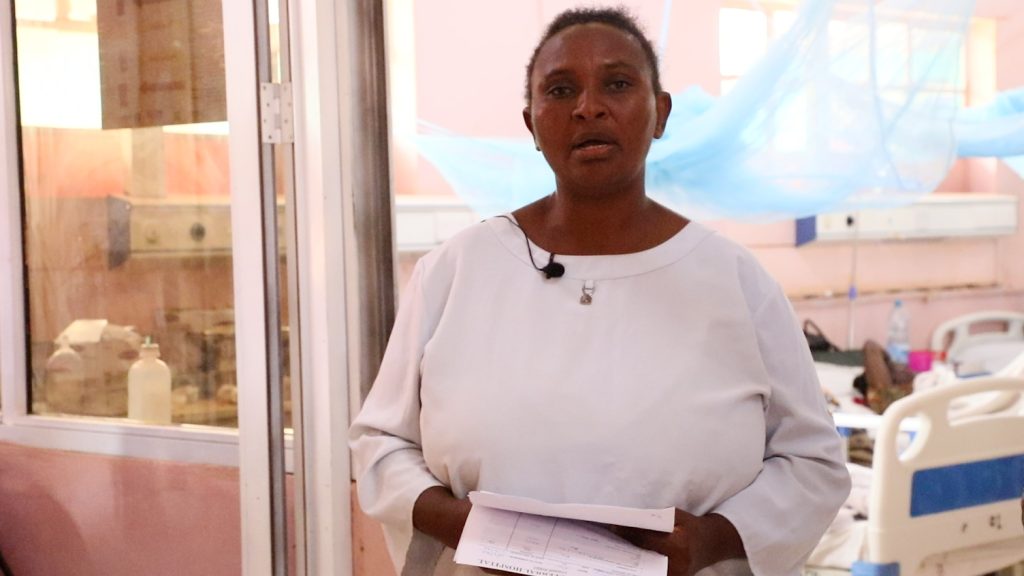
Beatrice Mwakio, the nurse in charge at Moi County Referral Hospital emphasized that quality hospital beds are just as important as medicine in patient care. While medication treats illness, patients also require comfortable resting spaces to support recovery. Modern beds fitted with quality mattresses help prevent pressure sores among patients who remain in bed for long periods while also making cleaning and disinfection easier, reducing the risk of hospital-acquired infections.
“Hospital beds are extremely important. We can buy medicines, but if a patient does not have a proper place to rest, then we have not fully helped them. The importance of a good hospital bed is, first, to promote the patient’s comfort by ensuring they have a comfortable place to lie down. A good bed with a quality mattress also helps prevent pressure sores. We do not want a patient to come to the hospital only to leave with additional health complications. Furthermore, a good bed and mattress are easier to clean and maintain, helping us keep the hospital environment hygienic and reduce the risk of infections that can be acquired in the hospital,” said nurse Beatrice.
Beyond the beds, the county government has also begun addressing shortages of hospital linen. The hospital has procured 141 bed sheets, 100 cellular blankets and about 100 counterpanes, marking an important step towards ensuring patients have clean bedding throughout their stay. The hospital currently admits more than 100 in-patients daily, creating a high demand for bed linen. The nurse noted that the goal is to ensure every admitted patient has multiple clean sheets and blankets available for timely replacement whenever necessary.
“We know that this hospital has faced a major shortage of bed sheets and blankets, but we have already begun addressing the challenge. We have procured a significant number of them, including 141 bed sheets, 100 cellular blankets, and 100 counterpanes, bringing the total to about 200 blankets. However, when you consider our patient population, the demand is still high. Moi County Referral Hospital admits more than 100 in-patients every day. This is an important first step, and we will continue increasing our supplies so that every patient admitted has at least four bed sheets and four blankets available each day. This will ensure that if any of them become soiled, they can be replaced immediately with clean ones,” said Nurse Beatrice.
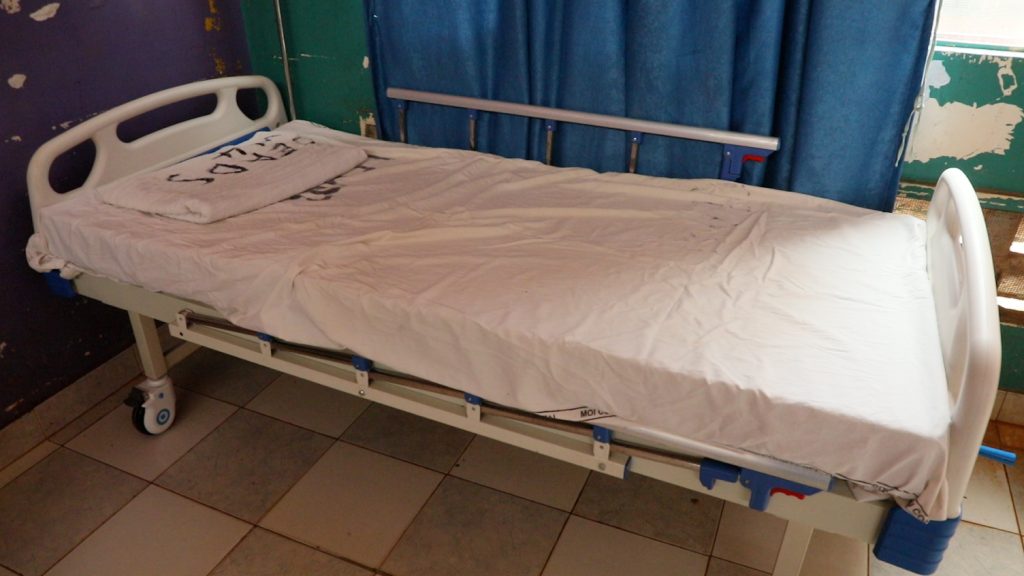
Furthermore, the newly acquired beds also offer significant improvements over the older models. Unlike the previous beds, many of which had worn-out mattresses and damaged surfaces that caused discomfort, the modern adjustable beds allow healthcare workers to easily raise or reposition patients without difficulty.
They are also fitted with protective side rails to prevent unconscious or vulnerable patients from falling, improving both safety and comfort during treatment. Hospital staff also welcomed the improved functionality of the beds, noting that they make patient handling easier while enhancing dignity and comfort, especially for patients who cannot sit up or move independently.
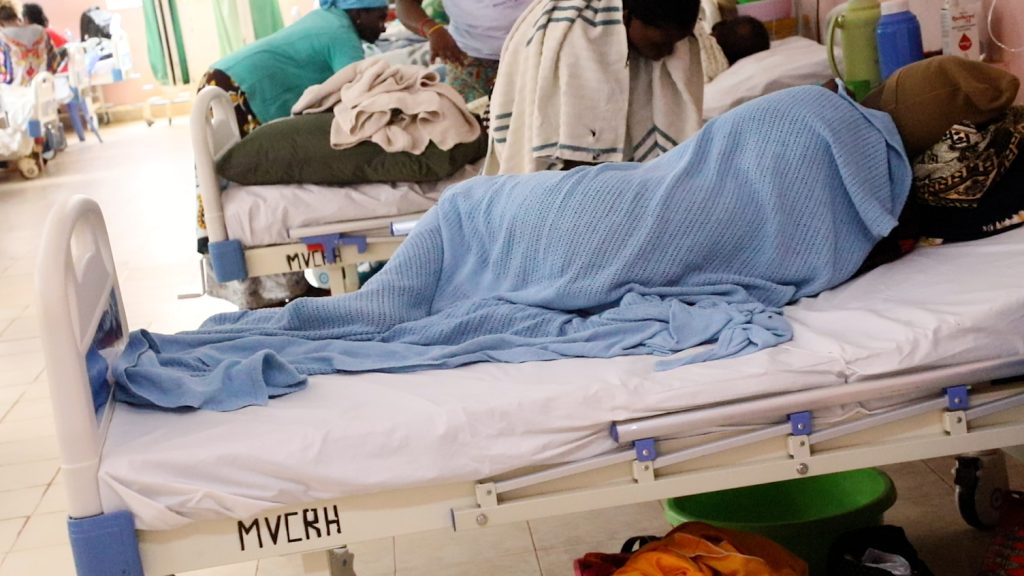
“In the past, patients had to lie on old mattresses, and sometimes you would find that some of them were torn. If the bed sheet slipped off, the damaged mattress could scratch or injure the patient. But these new beds are much more comfortable. Another advantage is that they are adjustable. You can raise a patient even while they are lying down, then sit them up using the adjustment mechanism without struggling or requiring extra support from staff. At the same time, these beds also improve patient safety. For patients who are unconscious or not fully aware of their surroundings, the beds have side rails that prevent them from falling. This provides additional protection and keeps them safe,” said Elizabeth, a caregiver.
So far, about 90 new beds have been distributed across the male, female, children’s and maternity wards. The hospital plans to acquire approximately 30 more beds to complete the exercise, including additional stretcher beds for the Emergency and Casualty Department.
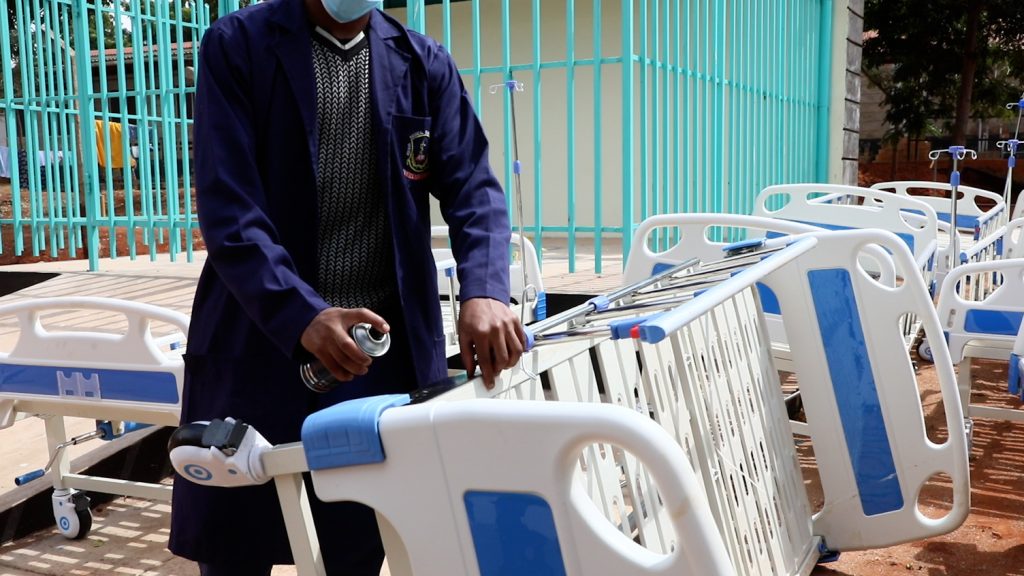
Beatrice she further explained that different categories of patients require specialized beds, including those with spinal conditions, heart diseases and mothers receiving maternity care. The county government is therefore considering the varying medical needs of patients as it continues upgrading the facility.
In addition to replacing beds and bedding, the hospital is working to improve mosquito nets and other patient amenities to create a cleaner and safer healing environment. The head nurse Beatrice noted that preventing hospital-acquired infections remains a key priority, adding that no patient should contract another illness, including malaria, because of inadequate bedding or protective equipment while admitted to the hospital.
“We have also experienced challenges with mosquito nets. At the moment, we are using the ones we have while working to improve and replace them. Our goal is to ensure that everyone who comes to this hospital has a positive experience. We are also very conscious of preventing what we call hospital-acquired infections. We do not want someone to come to the hospital and, because of a lack of clean bed sheets or mosquito nets, end up contracting another illness such as malaria. These are issues we are paying close attention to, and we are working to ensure that all these essential items are available for the benefit of our patients.” said Beatrice
The upgrades are expected to significantly improve patient experience and strengthen the quality of healthcare services at Moi County Referral Hospital as the county government continues investing in modern medical infrastructure.
