

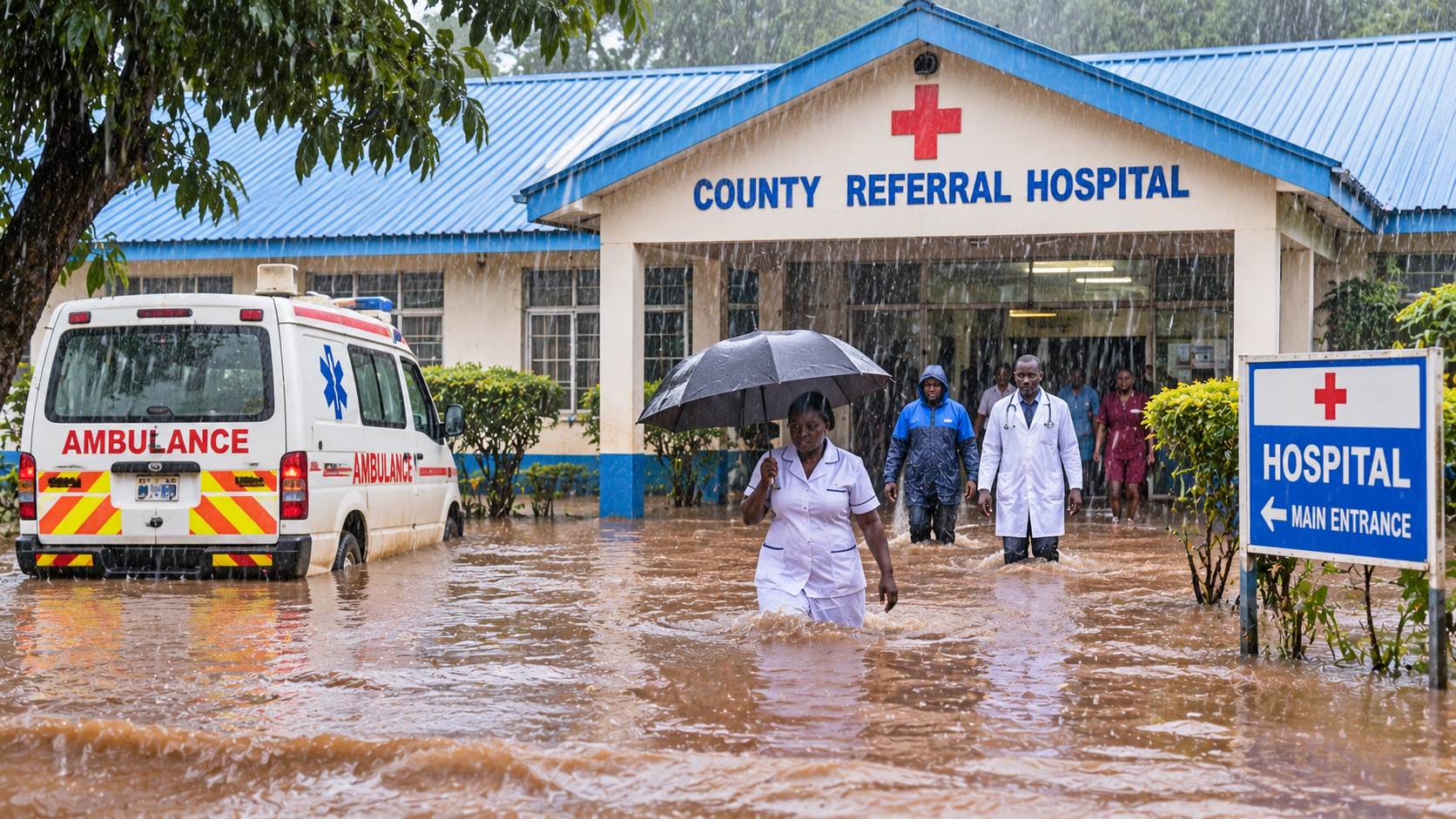

The Kenya Meteorological Service Authority has projected above-average rainfall across most parts of the country during the October–December 2026 short rains season, raising concerns over possible flooding, displacement of families, destruction of infrastructure and increased cases of waterborne diseases.
According to the seasonal forecast issued on August 31, 2026, Taita Taveta County is among the counties expected to receive enhanced rainfall, alongside Mombasa, Kwale, Kilifi, Tana River, Nairobi, Machakos, Makueni and several others.
The report states, “Heavy rainfall events are likely to occur in several parts of these Counties.”
In Taita Taveta, the rains were projected to begin between the third and fourth weeks of October and continue into January 2027, with rainfall distribution expected to range from fair to good.
The authority further predicts warmer-than-average temperatures, particularly in coastal counties and parts of Taita Taveta, Tana River and Garissa.
While the enhanced rainfall is expected to improve agricultural production, replenish water sources and boost food security, the report warns that excessive rainfall could have devastating consequences for vulnerable communities.
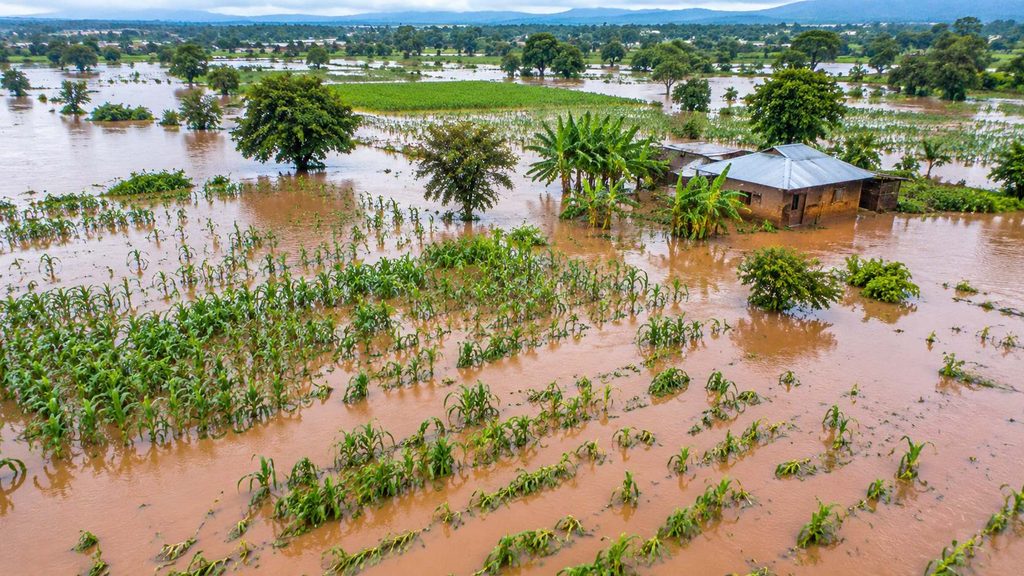
Under agriculture and food security, the report identifies potential benefits including “Extended growing seasons supporting relay cropping, multiple harvests, and improved yields.”
However, farmers could also suffer losses from flooding, soil erosion, crop diseases and destruction of agricultural produce.
The health sector is also expected to face increased pressure, with the authority warning of a higher risk of malaria, cholera, Rift Valley fever and other infectious diseases.
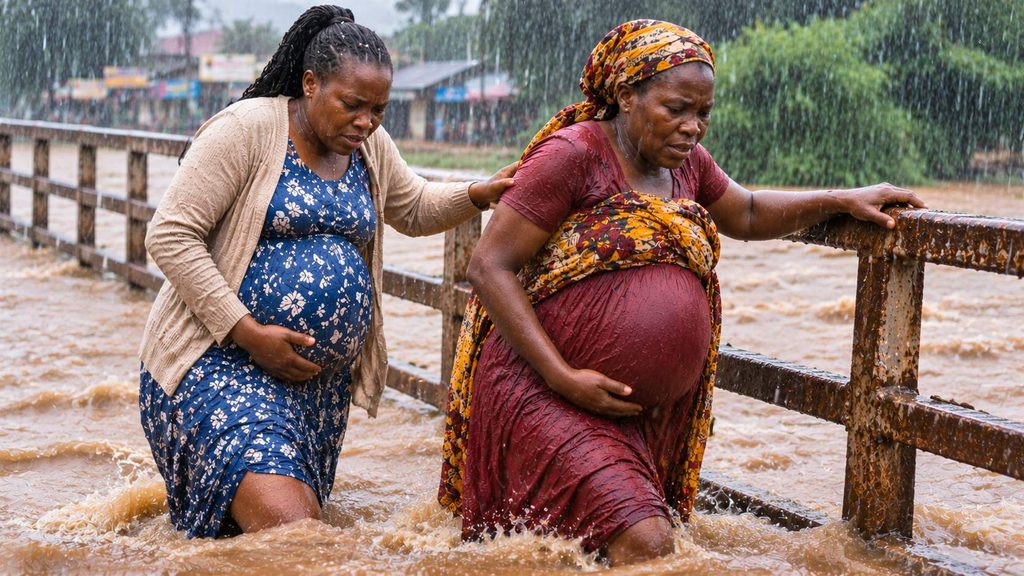
The report specifically identifies “Heat-related illnesses and stress” among vulnerable populations, including children, pregnant women, older persons and individuals living with chronic illnesses.
Additionally, flooding could interrupt healthcare services, damage medical infrastructure and expose displaced families to disease outbreaks.
Children, elderly persons and people living with disabilities have been identified as particularly vulnerable to the anticipated weather conditions.
The report warns that children could face increased risks of drowning, malnutrition, school disruptions and separation from caregivers, while older persons and people with disabilities may experience difficulties accessing evacuation services and emergency assistance.
On education, the authority cautions that “National examinations may be disrupted by flooding, impassable roads, transport challenges, sickness, and damage to examination centres and school infrastructure.”
The authority has consequently recommended strengthening early warning systems, clearing drainage channels, preparing evacuation centres and ensuring adequate emergency supplies in flood-prone areas.
County governments and relevant agencies are also encouraged to strengthen disease surveillance, promote water harvesting and support farmers with timely agricultural advisories.
The forecast follows a June–August 2026 season during which most parts of Kenya recorded below-average rainfall, with some meteorological stations, including Garissa and Mandera, recording no rainfall.
In its concluding advisory, the authority emphasizes that “This outlook should be used together with the 24-hour, 5-day, 7-day, monthly and special forecasts” and regular updates to guide preparedness and response measures.
The report underscores the need for communities, particularly those living in flood-prone areas, to remain alert and take precautionary measures to protect lives, livelihoods and property as the short rains season progresses.
