

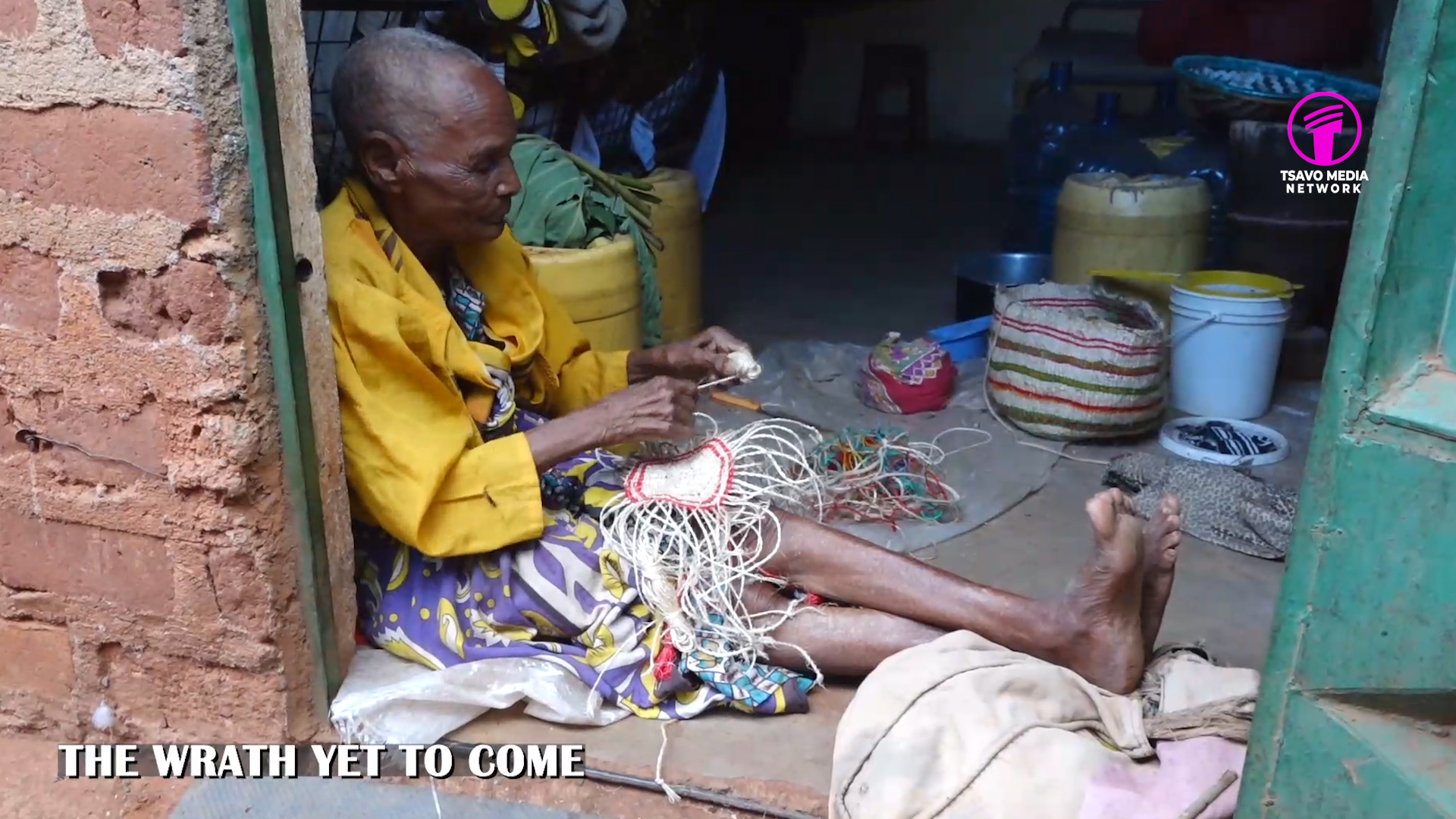

Elderly persons are among the vulnerable groups facing heightened risks as heavy rainfall and potential flooding threaten homes, livelihoods, infrastructure and access to essential services across the country.
The anticipated wet conditions could expose older persons to a range of challenges, including displacement, destruction of property, waterborne diseases, injuries and interruptions to healthcare services.
According to the weather and vulnerability risk assessment, prolonged rainfall and flooding could cause damage to homes, farmland, roads, bridges and other critical infrastructure, leaving elderly persons particularly vulnerable due to mobility limitations, chronic illnesses and dependence on regular medical care.
For older persons living in low-lying and flood-prone areas, rising water levels could increase the risk of displacement, injuries and loss of property. Some may struggle to evacuate quickly during emergencies, especially those living alone or without adequate family and community support.
The expected deterioration of roads and settlements could also make it difficult for elderly persons to access hospitals, health centres and essential supplies. Disruptions to transport networks may further affect those requiring regular medication and medical attention.
Health experts warn that prolonged wet conditions may increase the spread of waterborne diseases, including cholera, typhoid and other diarrhoeal illnesses. Poor sanitation, contaminated drinking water and inadequate hygiene facilities could expose older persons to serious health complications.
Additionally, colder temperatures and increased humidity associated with prolonged rainfall may worsen respiratory illnesses, particularly among elderly people with pre-existing health conditions.
The anticipated rainfall could also threaten the livelihoods of older persons who depend on small-scale farming and livestock keeping. Crop destruction, livestock losses, soil erosion and reduced agricultural production may undermine household food security and income.
The situation calls for strengthened emergency preparedness and targeted interventions to protect elderly persons before, during and after periods of heavy rainfall.
Relevant authorities are being encouraged to strengthen early warning systems, establish evacuation plans and ensure that older persons receive timely weather alerts and information on available emergency assistance.
Other recommended interventions include providing accessible healthcare services, ensuring adequate supplies of essential medicines, improving access to safe drinking water and strengthening community-based support systems.
County governments, health facilities, humanitarian organisations and community leaders are also being urged to identify elderly persons living alone, those with disabilities and individuals with chronic illnesses to ensure they receive priority assistance during emergencies.
As the country prepares for continued rainfall, protecting elderly persons will require coordinated action, inclusive disaster planning and stronger community support to safeguard their health, dignity, homes and livelihoods.
