

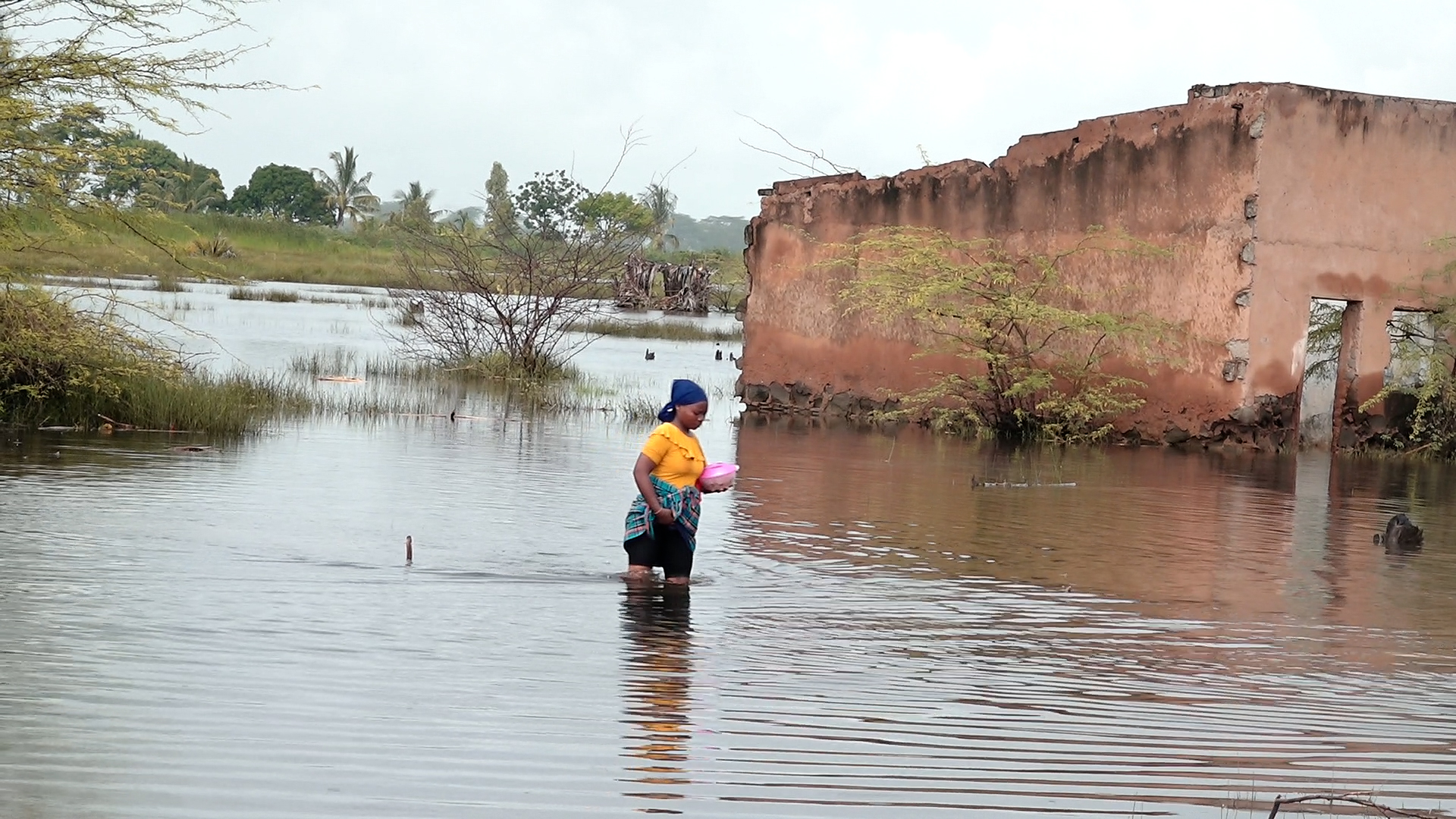

The forecast of continued rainfall presents both opportunities and challenges for farming communities, with women and persons with disabilities likely to require additional support to cope with weather-related disruptions.
While improved soil moisture could create favourable conditions for planting and support the growth of short-cycle crops, excessive rainfall could expose vulnerable households to flooding, soil erosion, crop destruction and post-harvest losses.
Women, who play a significant role in agricultural production, food processing and household food security, could face increased responsibilities when heavy rains disrupt normal farming activities. Flooding, waterlogged farms and damaged rural roads may make it difficult for them to access farms, markets, agricultural inputs and essential services.
For women farmers with disabilities, these challenges could be even more pronounced, particularly where inaccessible roads, flooded pathways and inadequate transport limit their mobility and participation in agricultural activities.
The anticipated wet conditions could also increase the risk of crop pests and diseases, while prolonged rainfall may interfere with harvesting, drying and storage of farm produce, potentially reducing household incomes and worsening food insecurity.
In addition, women and persons with disabilities living in flood-prone and low-lying areas may face heightened exposure to displacement, property damage and disruptions to their livelihoods.
Agricultural stakeholders are therefore being encouraged to strengthen inclusive preparedness measures by ensuring that early weather warnings reach women and persons with disabilities in accessible and timely formats.
Farmers are also advised to use certified seeds, improve drainage systems, strengthen soil and water conservation measures and avoid cultivating flood-prone areas during periods of intense rainfall.
Other recommended interventions include strengthening agricultural extension services, improving access to climate information, intensifying pest and disease surveillance and reinforcing rural roads, bridges and irrigation infrastructure.
There is also a need for coordinated support from government agencies, development partners and community organisations to ensure that women and persons with disabilities are included in disaster preparedness, agricultural planning and food security interventions.
As the country navigates the anticipated rainy conditions, inclusive planning and targeted support will be essential in protecting vulnerable farming households, sustaining agricultural productivity and safeguarding livelihoods..
