

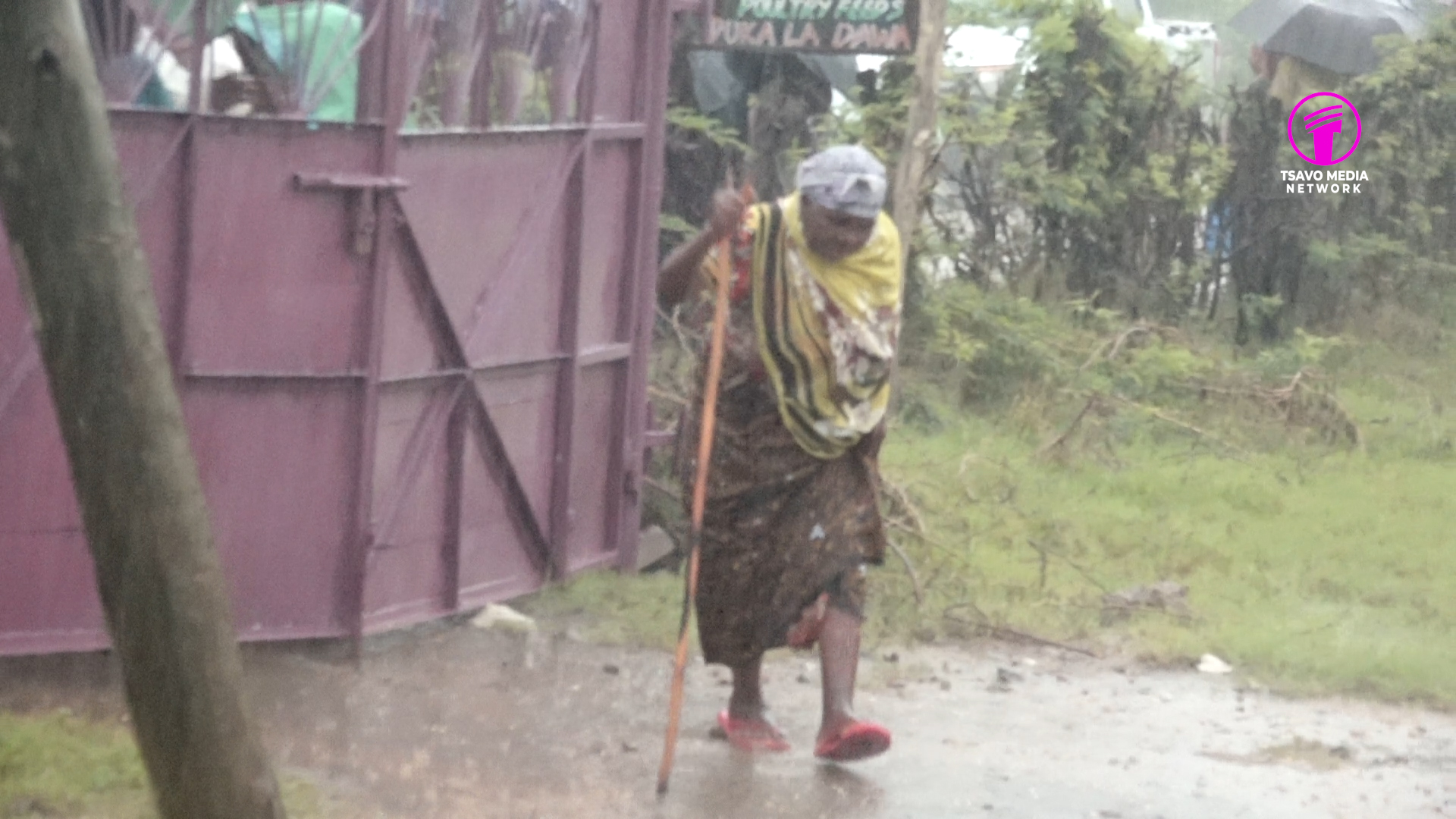

Women and children are among the groups facing heightened vulnerability as heavy rainfall and flooding threaten communities, raising concerns over their safety, health, access to essential services and livelihoods.
The anticipated wet conditions could expose households, particularly those living in flood-prone and low-lying areas, to displacement, destruction of property, water contamination and increased health risks.
According to the seasonal weather outlook, rising river levels, overflowing drainage systems and above-normal rainfall could increase the risk of flooding in several parts of the country, potentially disrupting children’s education and exposing women to additional social and economic challenges.
Children are particularly vulnerable during flooding emergencies, with contaminated water sources increasing their exposure to waterborne diseases such as cholera, typhoid and diarrhoeal infections. Poor sanitation and limited access to clean drinking water could further worsen the situation, especially in informal settlements and communities with inadequate sanitation facilities.
Heavy rainfall could also affect children’s access to education as flooded roads, damaged bridges and impassable pathways disrupt movement to and from schools. Prolonged school closures may interfere with learning and expose children to additional protection risks.
For women, the anticipated weather conditions could increase household responsibilities, particularly in securing food, clean water and other essential supplies during emergencies. Women farmers may also experience crop destruction, reduced agricultural productivity and loss of household income as flooding damages farms and disrupts access to markets.
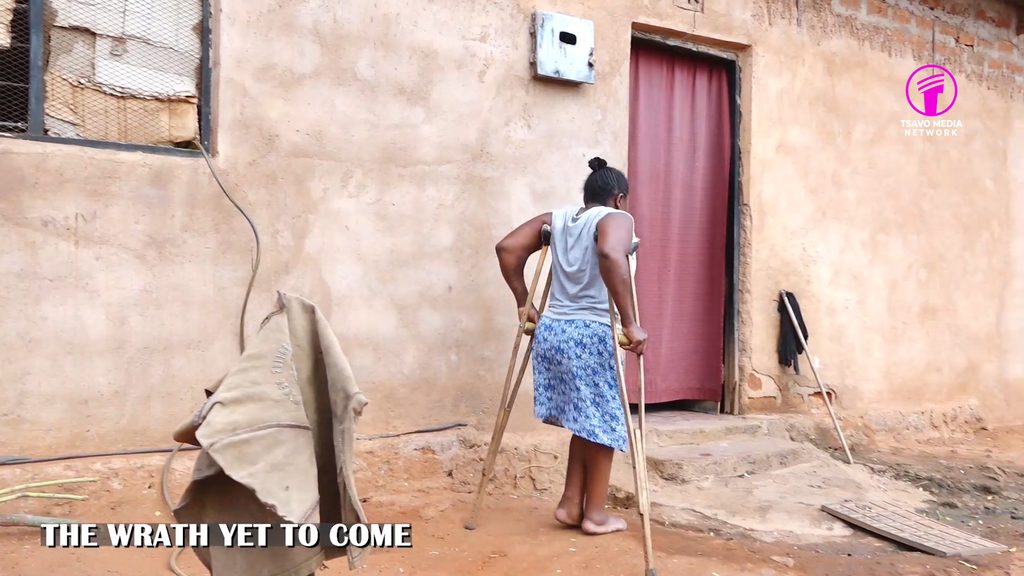
The situation could be particularly difficult for pregnant women, breastfeeding mothers and women with young children, especially where flooding interferes with access to maternal healthcare, reproductive health services and emergency medical assistance.
There are also concerns that displacement and overcrowded temporary shelters could increase women’s and children’s exposure to gender-based violence, exploitation and other forms of abuse. Girls may face additional risks, including disruption to their education and increased vulnerability to child labour and early pregnancy.
To mitigate these risks, authorities are being urged to strengthen community-based early warning systems and ensure that women, children and other vulnerable groups receive timely and accessible weather information.
Other recommended interventions include improving drainage systems, protecting water sources, strengthening sanitation facilities and ensuring that emergency shelters are safe and accessible to women and children.
Health facilities are also encouraged to strengthen disease surveillance, maintain adequate supplies of essential medicines and provide emergency maternal and child healthcare services, particularly in areas likely to experience flooding.
Community leaders, schools, humanitarian organisations and county governments are further being urged to strengthen child protection mechanisms, promote awareness of gender-based violence and establish effective referral systems for survivors and other vulnerable individuals.
As the country prepares for continued rainfall, coordinated disaster preparedness and targeted protection measures will be critical in safeguarding women and children, preventing avoidable health complications and ensuring that vulnerable households are not left behind.
