

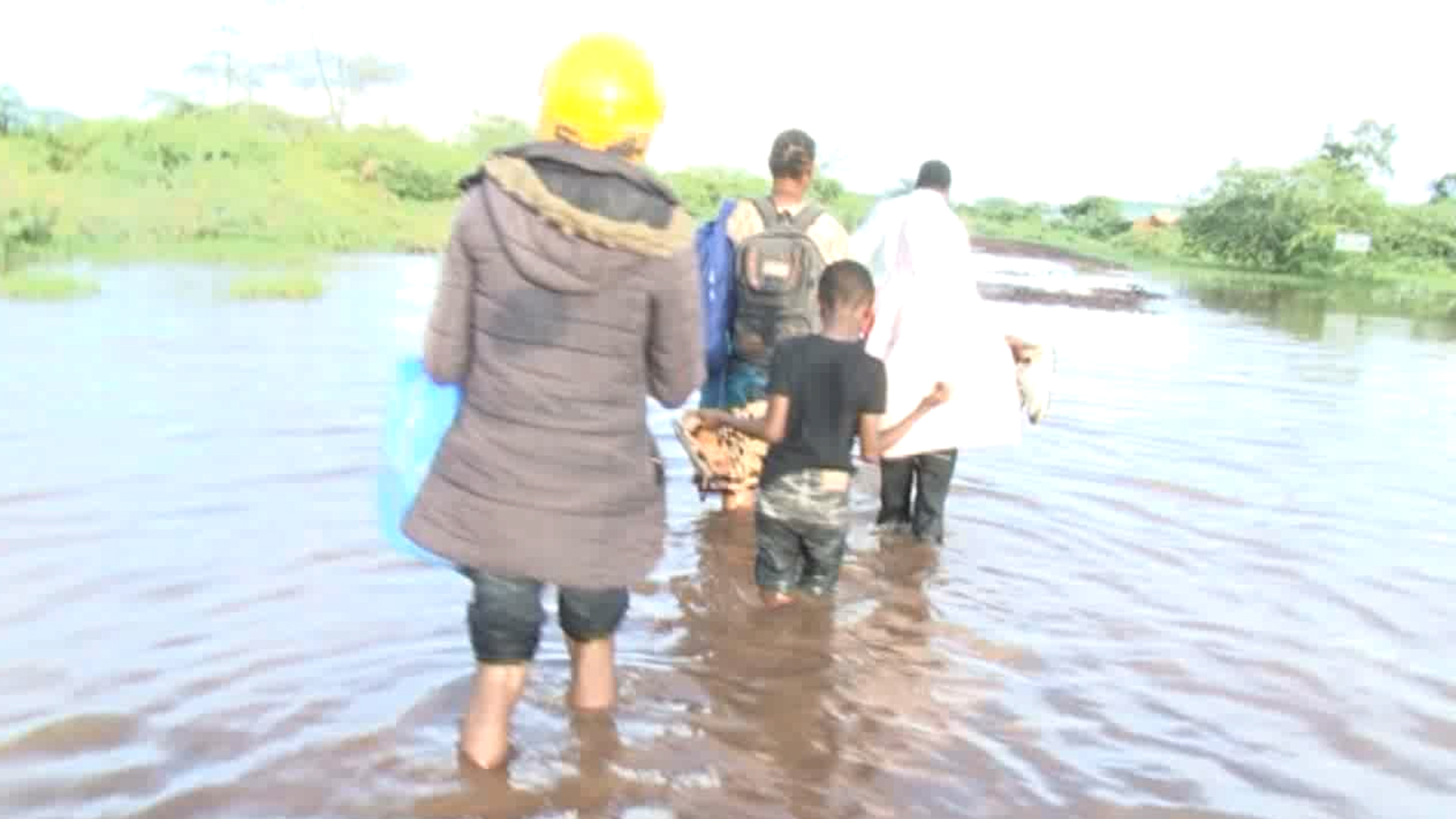

Children living in flood-prone and low-lying areas are facing increased risks of displacement, disease outbreaks and disruption of education as heavy rainfall threatens several parts of the country.
The anticipated above-normal rainfall could expose children to multiple hazards, including flooding, contaminated water, damaged infrastructure and destruction of homes, potentially affecting their safety, health and overall well-being.
According to the weather risk assessment, increased water levels in rivers, reservoirs and groundwater systems could result in flooding, particularly in low-lying and urban areas. Communities located near rivers and other water bodies are likely to face heightened exposure to flooding, with children among those most vulnerable to its effects.
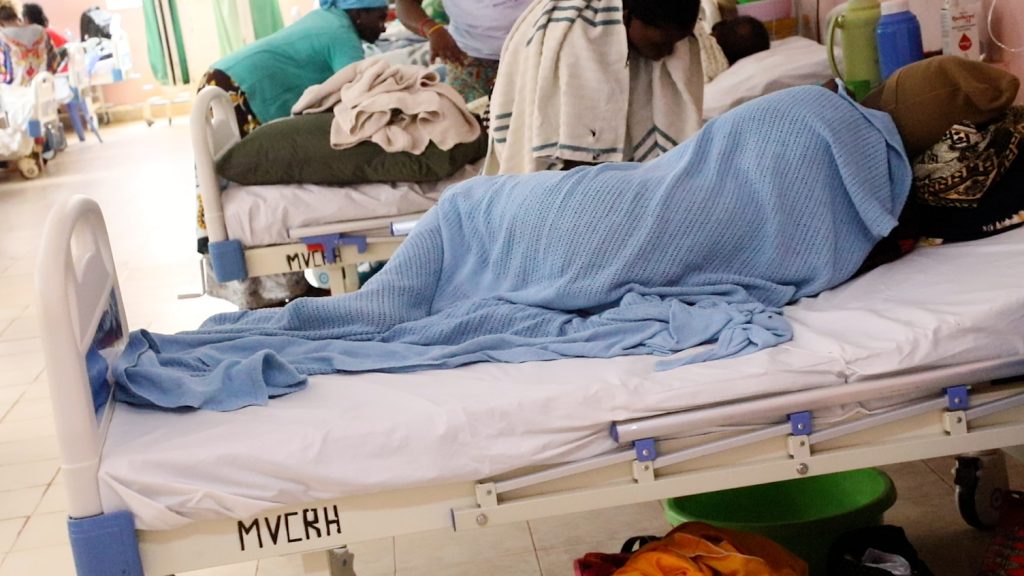
One of the major concerns is the increased risk of waterborne diseases resulting from contamination of drinking water sources. Floodwaters may carry sewage and other pollutants into household water supplies, exposing children to illnesses such as cholera, typhoid and diarrhoeal infections.
Children are particularly vulnerable to these infections because of their susceptibility to dehydration and other complications associated with waterborne diseases.
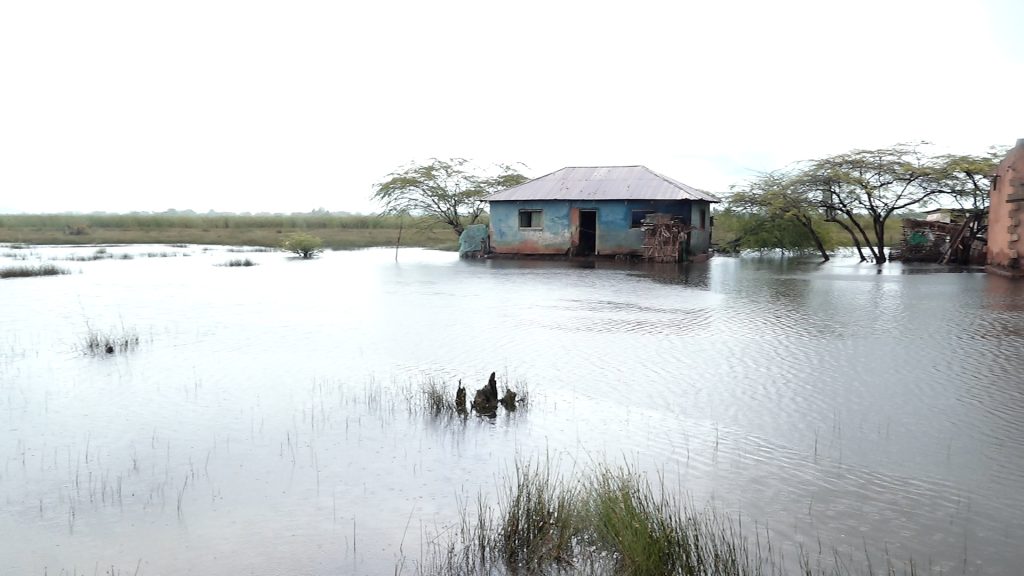
The anticipated rainfall could also disrupt children’s access to education as flooded roads, damaged bridges and impassable pathways interfere with movement to and from schools. In areas experiencing severe flooding, school facilities could sustain damage, potentially forcing temporary closures and interrupting learning activities.
Beyond education and health, flooding could expose children to displacement, loss of homes and separation from their families during emergency evacuations. Those living in informal settlements and communities located near rivers may face particularly difficult conditions.
There are also concerns that displacement and overcrowding in temporary shelters could expose children to neglect, exploitation, abuse and other child protection risks.
To reduce these risks, authorities are being urged to strengthen early warning systems and ensure that weather alerts reach households, schools and communities in vulnerable locations.
Parents and guardians are also encouraged to keep children away from swollen rivers, drainage channels, flooded roads and other dangerous water bodies. Children should not attempt to cross flooded bridges or streams, even where the water appears shallow.
Other recommended interventions include improving drainage systems, protecting drinking water sources, strengthening sanitation facilities and ensuring that schools have adequate emergency preparedness plans.
Health authorities are also encouraged to intensify disease surveillance, promote hygiene awareness and ensure that health facilities have adequate supplies to respond to possible outbreaks.
As the country prepares for continued rainfall, coordinated efforts involving government agencies, schools, parents, humanitarian organisations and community leaders will be essential in protecting children from preventable weather-related dangers.
